Table of Contents
ToggleIf you’re on a septic system, every product that goes down your drain matters. Unlike municipal sewer hookups, septic tanks rely on a delicate balance of beneficial bacteria to break down waste. The wrong dishwasher detergent can kill those bacteria, leading to costly backups, drain field failures, and emergency pump-outs that’ll set you back $300 to $800 or more. But here’s the good news: you don’t have to choose between clean dishes and a healthy septic system. Septic-safe dishwasher detergents work with your system instead of against it, protecting both your investment and the environment without leaving your plates spotted or greasy.
Key Takeaways
- Septic-safe dishwasher detergent protects the beneficial bacteria in your septic tank that break down waste, preventing costly backups and drain field failures that can exceed $20,000 in repairs.
- Avoid detergents containing phosphates, chlorine bleach, antibacterial agents, and synthetic fragrances, as these kill essential septic bacteria and compromise system performance.
- Look for septic-safe detergents with biodegradable plant-based surfactants, enzyme-based cleaning agents, and neutral pH levels around 7-10 to maintain bacterial balance.
- Match your detergent choice to your water hardness, dishwasher age, and form factor preference—powder formulas offer dosing control while pods provide convenience.
- Beyond choosing the right detergent, maximize septic system longevity by running full loads, spacing out water-intensive activities, and scheduling pump-outs every 3-5 years based on your specific tank and household size.
Why Septic-Safe Detergent Matters for Your Home System
Your septic tank is essentially a live ecosystem. Inside that buried concrete or fiberglass tank, billions of anaerobic bacteria work around the clock breaking down solid waste into liquid effluent. That liquid then flows out to your drain field where it percolates through layers of gravel and soil, filtering out remaining contaminants before reaching the groundwater.
Conventional dishwasher detergents weren’t designed with this biological process in mind. They contain harsh chemicals, phosphates, chlorine bleach, synthetic fragrances, and antibacterial agents, that kill the very bacteria your septic system depends on. When those bacteria populations crash, solids stop breaking down properly. You’ll notice slow drains first, then soggy areas over the drain field, and eventually sewage backup into your home.
The damage compounds over time. A struggling septic system doesn’t just need more frequent pumping (which should happen every 3-5 years under normal conditions). It can lead to drain field failure, which means excavating your yard and replacing the entire leach field, a job that typically costs $5,000 to $20,000 depending on soil conditions, system size, and local permitting requirements.
Septic-safe detergents avoid this cascade of problems by using biodegradable formulas that bacteria can break down naturally. They clean your dishes effectively while keeping your septic ecosystem balanced and functioning as designed.
What Makes a Dishwasher Detergent Septic Safe?
Not every product labeled “eco-friendly” or “natural” is actually safe for septic systems. You need to look at the ingredient list and understand what separates genuinely septic-compatible formulas from marketing greenwash.
Biodegradability is the foundation. Septic-safe detergents use plant-based surfactants (the cleaning agents that cut grease and lift food particles) that bacteria can digest and break down completely. Common examples include coconut-derived sodium coco-sulfate and alkyl polyglucosides made from corn or potato starch.
Enzyme-based cleaning is another key feature. Quality septic-safe detergents include protease, amylase, and lipase enzymes that break down proteins, starches, and fats respectively. These enzymes do the heavy lifting of cleaning without harsh chemicals, and they’re proteins themselves, fully biodegradable and harmless to septic bacteria.
pH balance matters more than most homeowners realize. Extremely alkaline or acidic detergents can shock your septic system and disrupt bacterial colonies. Look for products with a neutral to slightly alkaline pH (around 7-10), which works with your system’s natural chemistry.
Ingredients to Avoid in Dishwasher Detergents
When you’re shopping for septic-safe options, flip the package over and check for these red flags:
Phosphates were once the backbone of dishwasher detergents because they soften water and boost cleaning power. But they kill septic bacteria and cause algae blooms when they reach waterways. Many states have banned them outright, but they still appear in some commercial products.
Chlorine bleach is brutal on septic systems. Even small amounts can decimate bacterial populations. If you see sodium hypochlorite, sodium dichloroisocyanurate, or other chlorine compounds on the label, pass.
Antibacterial agents like triclosan and quaternary ammonium compounds (quats) are self-explanatory, they’re designed to kill bacteria, which is exactly what you don’t want happening in your septic tank.
Synthetic fragrances and dyes don’t just smell artificial: many contain petrochemical compounds that resist biodegradation. They add nothing to cleaning performance and can interfere with bacterial activity.
Nonylphenol ethoxylates (NPEs) are surfactants that break down into hormone-disrupting compounds. They’re banned in Canada and the EU but still legal in some U.S. products. Avoid them for both septic and environmental reasons.
Top Septic-Safe Dishwasher Detergent Options in 2026
The market for septic-safe dishwasher detergents has matured significantly, with options ranging from budget-friendly powders to premium pods. Here’s what’s proven effective in real-world septic systems.
Seventh Generation Free & Clear Dishwasher Detergent Packs consistently rank among the best dishwasher detergent for septic systems because they combine strong cleaning performance with a genuinely biodegradable formula. The plant-derived enzymes handle baked-on casseroles and greasy pans without phosphates or chlorine. They’re also fragrance-free, which matters if anyone in your household has sensitivities. Expect to pay around $0.30-$0.35 per load.
Biokleen Automatic Dish Powder is the go-to for hard water situations. If you’ve got mineral buildup issues (common in well water serving septic systems), this grapefruit-seed-extract formula prevents spotting and film without harsh chelating agents. It’s a powder, so you’ll need to measure it out, use 1-2 tablespoons per load depending on soil level. The 2-pound box runs about $12 and handles roughly 32 loads.
Ecover Automatic Dishwasher Tablets bring European cleaning standards to septic-safe formulas. These individually wrapped tabs include a built-in rinse aid and use mineral-based water softeners instead of phosphates. They perform especially well in newer, energy-efficient dishwashers that use less water. Around $0.28 per tablet when bought in bulk.
Nellie’s Dishwasher Powder appeals to minimalists and septic owners alike. The formula contains just four ingredients: sodium carbonate (washing soda), sodium metasilicate, citric acid, and protease enzyme. No fillers, no fragrances, no dyes. It’s concentrated, so a little goes a long way, start with 1 tablespoon and adjust based on your water hardness.
Recent testing by leading consumer labs has confirmed that modern detergents formulated without phosphates perform just as effectively as older formulations, making the switch to septic-safe options easier than ever.
How to Choose the Right Septic-Safe Detergent for Your Needs
Picking a septic-safe detergent isn’t a one-size-fits-all decision. Your water quality, dishwasher age, and household habits all factor into what’ll work best.
Water hardness is the biggest variable. If you have hard water (above 7 grains per gallon), you’ll need a detergent with stronger mineral-fighting ingredients like citric acid or plant-based chelators. Soft water users can get away with gentler formulas. Test your water hardness with a $10 test strip kit from any hardware store, it takes 60 seconds and tells you exactly what you’re working with.
Dishwasher age and efficiency matter too. Older machines (pre-2013) use 6-10 gallons per cycle and can handle thicker, more concentrated detergents. Newer Energy Star-rated models use as little as 3-4 gallons and need low-sudsing formulas specifically designed for high-efficiency (HE) washers. Check your owner’s manual, most newer models explicitly recommend or require HE-compatible detergents.
Form factor is partly personal preference, partly practical:
-
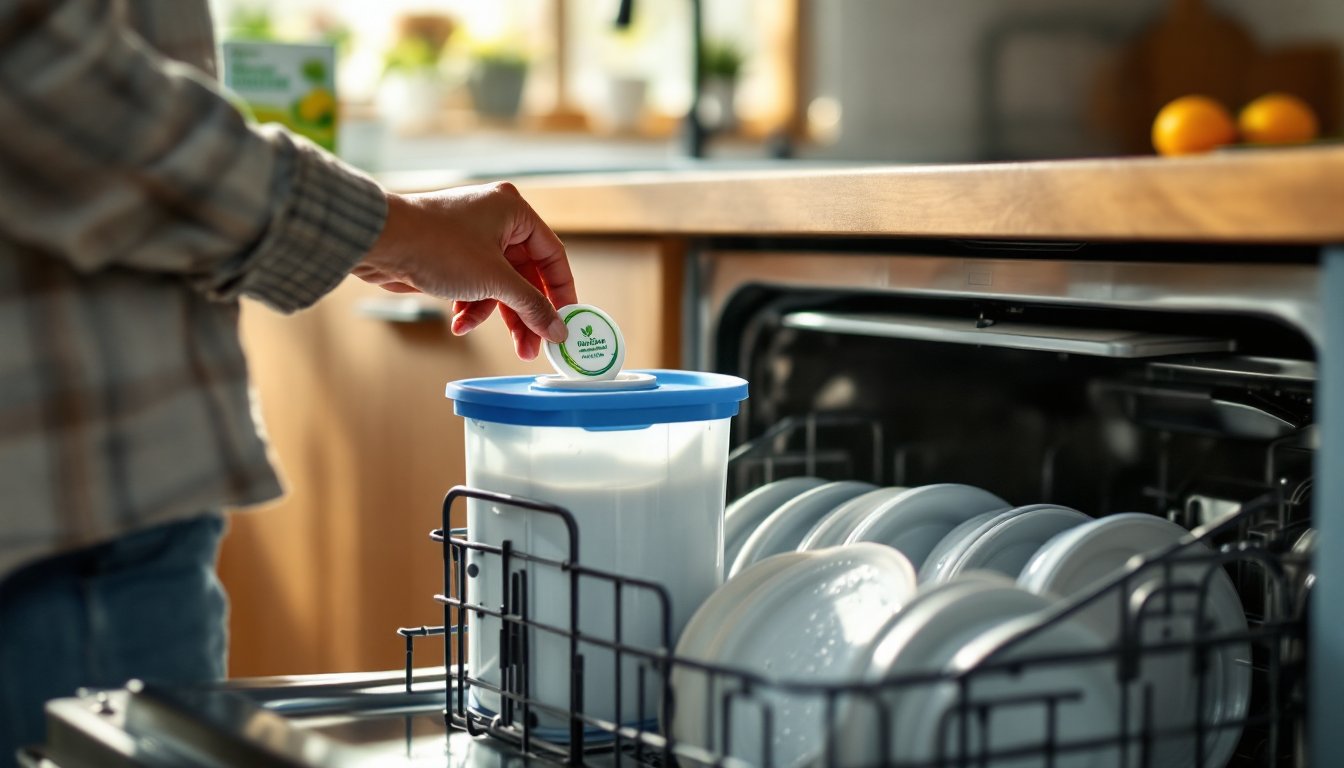
Pods/tablets offer convenience and pre-measured doses, eliminating the risk of using too much (which can leave residue and stress your septic system). They’re pricier per load but reduce waste and guesswork.
-
Powder detergents give you dosing control and typically cost less. They’re ideal if you have varying load sizes or particularly dirty dishes that need a heavier dose. Store them in a dry location, moisture causes clumping.
-
Liquid or gel formulas dissolve quickly in low-water machines and work well in quick-wash cycles, but many contain more fillers and synthetic ingredients to maintain consistency.
Certification labels provide third-party verification. Look for the EPA Safer Choice label, which requires biodegradability testing and ingredient transparency. The USDA Certified Biobased Product label confirms plant-derived content. Leaping Bunny or similar certifications matter if animal testing is a concern.
If you’re unsure where to start, many homeowner advice resources recommend beginning with powder formulas, which tend to be more forgiving of water chemistry variations and easier to adjust than pre-measured pods.
Best Practices for Maintaining Your Septic System
Using septic-safe dishwasher detergent is just one piece of the maintenance puzzle. These practices keep your entire system running efficiently and extend the time between pump-outs.
Scrape plates, don’t rinse them. Modern dishwashers and detergents are designed to handle food particles, that’s what the enzymes are for. Pre-rinsing wastes water (adding unnecessary load to your septic system) and can actually reduce cleaning performance by removing the soil that activates enzyme action. Just scrape off large chunks into the trash or compost.
Run full loads only. Every dishwasher cycle sends 3-10 gallons of water into your septic tank. Partial loads waste water and detergent while adding unnecessary volume to your system. Wait until you’ve got a full rack, or use your dishwasher’s half-load or eco settings if available.
Space out water-intensive activities. Your septic system needs time to process incoming wastewater. Don’t run the dishwasher, washing machine, and multiple showers all at once, especially if you’ve got a smaller tank (under 1,000 gallons). Spread heavy water use across different days when possible.
Monitor what else goes down your drains. Your dishwasher detergent choice won’t matter much if you’re dumping antibacterial hand soap, harsh bathroom cleaners, or paint thinners down other drains. Common household cleaning techniques often include products that seem harmless but contain septic-damaging ingredients, always check labels on everything that enters your drains.
Watch for warning signs of system stress: slow drains throughout the house (not just one sink), gurgling sounds when water runs, sewage odors near the tank or drain field, or unusually lush grass over the septic area. These indicate it’s time to call a professional before minor issues become major failures.
Keep pump-out records. Standard septic tanks need pumping every 3-5 years, but your specific timeline depends on tank size, household size, and how well you maintain bacterial balance. Mark your calendar after each service and schedule the next one proactively, emergency pump-outs cost more and usually mean you’ve already damaged the system.
Conclusion
Switching to septic-safe dishwasher detergent isn’t a sacrifice, it’s an upgrade. You protect a system that costs thousands to repair, avoid harsh chemicals in your home, and still get dishes that pass the clean-plate test. Start by checking your current detergent’s ingredient list against the avoid-list above. If you spot phosphates, chlorine, or antibacterial agents, swap to one of the proven septic-safe options and give it three or four loads to judge performance. Your septic bacteria will thank you, and your wallet will too when you skip that emergency service call.