Table of Contents
ToggleTop load washers and dryers remain a staple in American laundry rooms, and LG’s lineup continues to dominate the market for good reason. If you’re upgrading from a worn-out set or setting up a new home, understanding what makes LG’s top load models tick, and how to install them properly, saves both money and headaches. This guide walks through model selection, standout features, installation essentials, and maintenance tips to keep your LG washer and dryer running smoothly for years. No fluff, just what you need to make a smart purchase and set it up right.
Key Takeaways
- LG top load washers and dryers dominate the market by offering reliability and innovation without premium price tags, plus faster wash cycles and easier loading compared to front-load models.
- The WT7400CW (5.0 cu. ft.) and WT7900HBA (5.5 cu. ft.) are top-rated LG washer models that use advanced technologies like TurboDrum and 6Motion to handle everything from delicate fabrics to heavy-duty loads efficiently.
- Pairing an LG washer with a matching LG dryer enables sensor dry technology that prevents over-drying, extends fabric life, and significantly reduces energy consumption through intelligent moisture detection.
- Proper installation—including level placement, correct electrical/gas hookups, rigid metal venting, and adequate clearance—prevents operational issues and extends the lifespan of your LG appliances.
- Regular maintenance like monthly tub cleaning, HE detergent use, quarterly lint trap vacuuming, and annual vent system cleaning keeps your LG washer and dryer running smoothly and prevents fires.
- LG’s ThinQ smart connectivity, LoadSense water adjustment, and ColdWash technology deliver convenience and energy savings, with 10-year motor warranties backing their reputation for dependability.
Why Choose LG Top Load Washers and Dryers for Your Home
LG built its reputation on reliability and innovation, and their top load washers deliver both without the premium price tag of front loaders. Top loaders are easier on your back, no bending to load clothes, and they typically run shorter wash cycles than front-load models.
Capacity matters. LG’s top load washers range from 4.5 to 5.5 cubic feet, handling everything from daily loads to king-size comforters. Larger families or anyone washing bulky bedding regularly should lean toward the 5.0+ cu. ft. models.
Energy efficiency has improved dramatically. Modern LG top loaders with inverter direct drive motors use roughly 30% less energy than traditional agitator models, and many qualify for Energy Star certification. The direct drive system also reduces vibration and noise, critical if your laundry room shares a wall with living spaces.
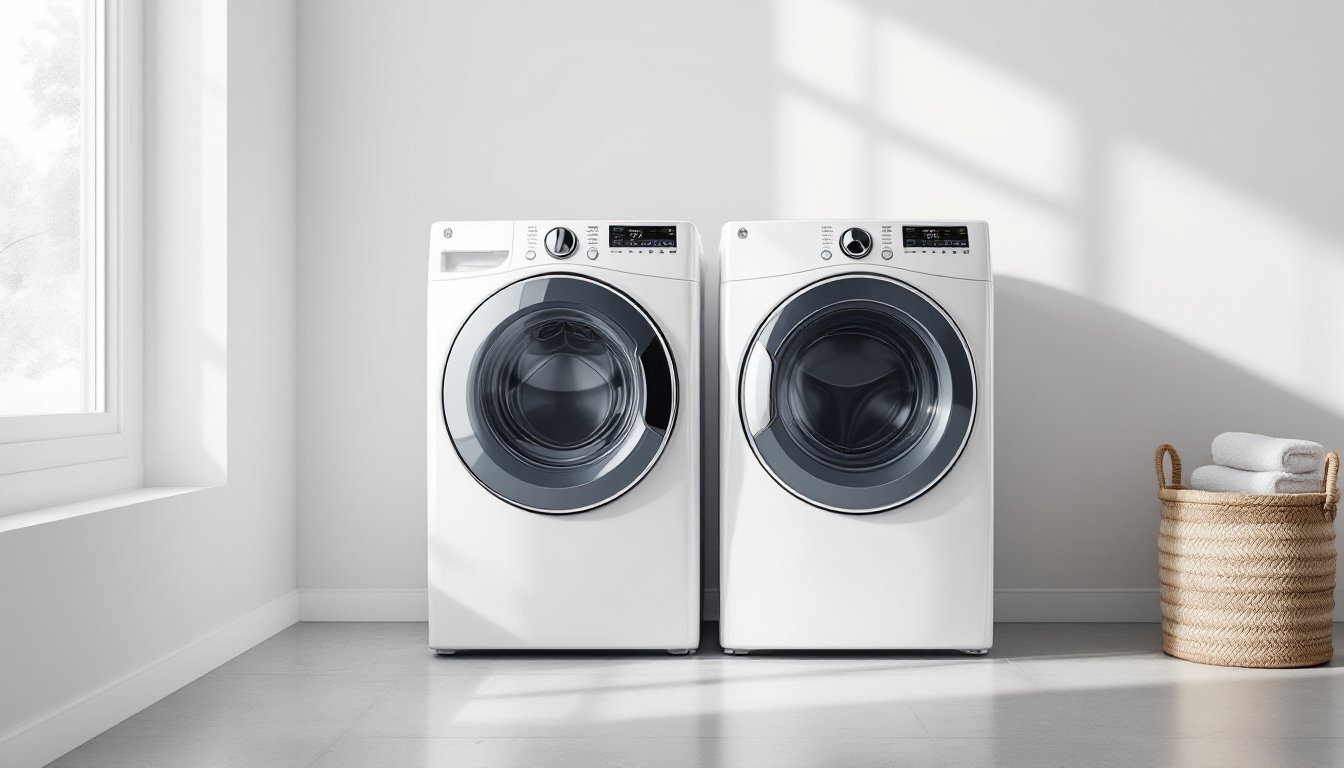
Pairing an LG washer with an LG dryer isn’t just about aesthetics. Matched sets use sensor dry technology that communicates moisture levels more effectively, preventing over-drying and extending fabric life. The dryers also feature aluminized alloy steel drums that resist chipping and snagging better than painted steel alternatives.
Top LG Top Load Washer Models to Consider in 2026
LG WT7400CW (5.0 cu. ft.) sits in the sweet spot for most households. It includes TurboDrum technology, the drum and impeller rotate independently to create a powerful water flow that’s gentler on fabrics than traditional agitators. Expect to pay around $700–$850 depending on sales, though prices fluctuate regionally.
The WT7300CW (5.0 cu. ft.) offers similar capacity at a lower price point ($600–$750) but skips the TurboWash feature. For basic washing needs without premium cycles, it’s solid value. Both models include SmartDiagnosis, which uses your smartphone’s microphone to troubleshoot issues without a service call.
If you need maximum capacity, the WT7900HBA (5.5 cu. ft.) handles oversized loads and adds TurboWash3D technology, three washing motions (pulsator, drum rotation, and water spray) working simultaneously. This model runs about $1,100–$1,300 but cuts wash time significantly on heavy-duty cycles. Top-loading washing machines tested by cleaning professionals consistently rank LG models high for stain removal and efficiency.
All three use LG’s 6Motion technology, varying wash motions based on fabric type. Delicates get a gentle tumbling action, while heavily soiled work clothes get aggressive scrubbing.
Best LG Top Load Dryer Options That Pair Perfectly
LG’s dryer lineup mirrors washer capacities, making pairing straightforward. The DLE7400WE (7.3 cu. ft.) matches the WT7400CW washer and includes Sensor Dry with dual sensors that monitor temperature and humidity. This prevents the common problem of overdrying, which shrinks clothes and wastes energy.
FlowSense ducting indicators alert you when lint buildup restricts airflow, a leading cause of dryer fires. Clean your vent at least annually, more often if you dry multiple loads daily. The DLE7400WE runs on electric (240V, 30-amp circuit required): the gas version (DLG7401WE) needs a standard 120V outlet plus a gas hookup.
The DLE7300WE (7.3 cu. ft.) pairs with the WT7300CW and drops steam features but retains sensor drying. It’s priced around $650–$800, offering solid performance without bells and whistles.
For the WT7900HBA washer, the DLE7900BE (7.4 cu. ft.) includes TurboSteam to refresh clothes without a full wash and 14 preset cycles covering everything from bedding to activewear. Budget $1,000–$1,200 for this model. Steam features genuinely work for reducing wrinkles and odors, but they’re not essential if you’re watching costs.
Key Features That Make LG Top Load Models Stand Out
ThinQ smart connectivity lets you start, stop, and monitor cycles from your phone. More useful than it sounds, getting an alert that the wash finished prevents mildew from setting in forgotten wet clothes. The app also provides cycle recommendations based on fabric type and soil level.
LoadSense automatically adjusts water levels based on load weight. Older washers fill the tub regardless of how much you’re washing, wasting gallons. LG’s system uses pressure sensors to detect weight and dispenses only the water needed.
ColdWash technology delivers hot-water cleaning performance using cold water via specialized wash motions and extended cycle times. This cuts energy costs substantially, heating water accounts for roughly 90% of a washer’s energy use. Cold cycles also preserve colors and prevent shrinkage.
The LoDecibel quiet operation system uses inverter direct drive motors and insulation to keep noise below 55 decibels during wash and 60 decibels during spin, quieter than a normal conversation. If your laundry room is near bedrooms, this matters.
LG’s 10-year warranty on the direct drive motor backs up their reliability claims. Standard parts and labor coverage runs one year, which is industry standard. Extended warranties rarely pay off for appliances, but document your purchase and installation dates carefully.
Installation Tips for Your LG Top Load Washer and Dryer
Measure your space before buying. Standard top loaders are 27–29 inches wide, but you need 36 inches minimum clearance for the lid to open fully. Check ceiling height too, some basements with low joists can’t accommodate top loaders comfortably.
Flooring requirements: Washers vibrate during spin cycles, especially on unbalanced loads. Install on a level concrete slab or a reinforced subfloor rated for the weight. A fully loaded washer can exceed 250 pounds. Plywood subflooring should be at least 3/4-inch thick with joists on 16-inch centers. Use a 4-foot level during installation to check all directions.
Water supply: You’ll need hot and cold water hookups with 3/4-inch threaded connections. Use stainless steel braided hoses, not rubber, they’re less prone to bursting and last longer. Leave 4–6 inches between the wall and washer back for hose clearance. Shut-off valves should be easily accessible: install lever-style ball valves if you currently have twist handles.
Electrical for dryers: Electric models require a dedicated 240V, 30-amp circuit with a NEMA 14-30 receptacle (4-prong). Older homes may have 3-prong outlets: don’t adapt them, hire an electrician to upgrade. Gas dryers need a 120V standard outlet plus a gas line with a shut-off valve within six feet of the dryer.
Venting dryers: Use rigid 4-inch diameter metal ducting, not flexible foil or plastic. Keep runs as short as possible, each 90-degree elbow reduces airflow equivalent to 5 feet of straight duct. Maximum recommended total length is 25 feet with no elbows: subtract 5 feet for each elbow. Vent must terminate outside, never into an attic or crawlspace. Install a backdraft damper on the exterior vent hood to prevent cold air infiltration.
Leveling: Once in place, adjust the leveling feet until a level shows true in all directions. An unlevel washer walks during spin cycles and wears bearings prematurely. Some installers leave washers slightly tilted forward to aid drainage, don’t. Modern washers pump out completely regardless of tilt.
Maintenance and Troubleshooting Your LG Top Load Set
Monthly washer cleaning: Run the Tub Clean cycle with washer cleaner tablets or two cups of white vinegar. Top loaders are less prone to mold than front loaders, but detergent residue still builds up. Leave the lid open between uses to air out the tub.
Detergent matters. Use HE (High Efficiency) detergent only, regular detergent creates excess suds that confuse sensors and leave residue. Measure carefully: more isn’t better. For typical loads, 2 tablespoons of liquid HE detergent is plenty. For hands-on tips about maintaining appliances and workshop tools, look to resources that emphasize durability and performance.
Dryer lint trap: Clean before every load. A clogged trap extends drying time and creates fire risk. Once quarterly, vacuum the trap housing with a crevice tool to remove lint that escapes the screen.
Vent maintenance: Disconnect and clean the entire vent system annually. Use a vent brush kit or hire a service, this costs $90–$150 but prevents the majority of dryer fires. Watch for warning signs: clothes taking longer to dry, dryer exterior getting excessively hot, or burning smell.
Common washer issues: If clothes are soaked after spin, check for overloading or unbalanced loads. The washer won’t spin at full speed if sensors detect imbalance. Redistribute items and restart. Strange noises during spin often mean coins or debris in the pump, check pockets before washing.
Dryer problems: If clothes aren’t drying, 95% of the time it’s vent restriction, not the dryer. Check the outdoor vent hood for lint accumulation or bird nests. If sensor dry runs too short or too long, clean the moisture sensors inside the drum with rubbing alcohol on a cloth, fabric softener residue builds up and interferes with readings.
Error codes: LG’s SmartDiagnosis feature works surprisingly well. Run it through the app when error codes appear, it listens to diagnostic tones the machine emits and suggests fixes. Common codes like OE (drainage issue) or UE (unbalanced load) are usually DIY-fixable without a service call.
Conclusion
LG’s top load washers and dryers offer proven reliability, smart features, and real-world capacity for households that value practicality over trends. Proper installation, level placement, correct venting, and appropriate electrical hookups, prevents most issues before they start. Stick to the maintenance schedule, use HE detergent, and keep vents clear. When resources covering topics from kitchen appliance reviews to laundry room setups consistently recommend a brand, there’s substance behind the reputation.