Table of Contents
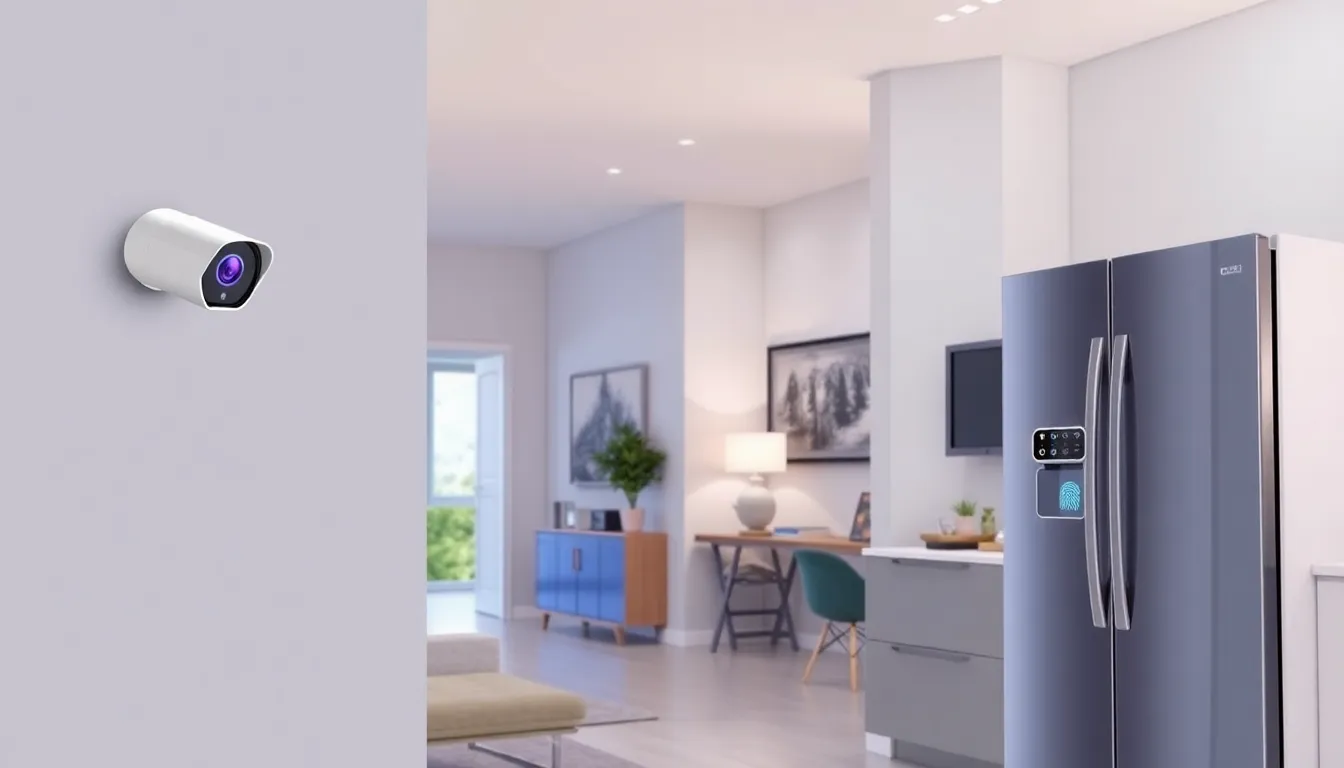
ToggleIn a world where even your toaster can connect to the internet, security-enhanced smart devices are the unsung heroes of modern living. They’re like the secret service agents of your home, keeping intruders at bay while you binge-watch your favorite shows. Who knew that a smart fridge could be both a food monitor and a digital bodyguard?
Overview Of Security-Enhanced Smart Devices
Security-enhanced smart devices play a crucial role in modern home safety. These devices integrate advanced security features with everyday functionalities, creating a more secure living environment. A smart camera, for example, not only monitors exterior areas but also provides live feeds and alerts to users.
Many enhanced devices utilize encryption to protect personal data and ensure privacy. Smart locks facilitate remote access management while maintaining security protocols, allowing users to control entry points with ease. The integration of AI in these devices helps recognize patterns and detect unusual activities, offering proactive alert systems.
Smart home assistants optimize home management while incorporating voice recognition for secure access. These assistants can manage other smart devices, allowing for seamless interaction while prioritizing user security. In this landscape, consumers increasingly seek devices with robust security measures.
The importance of regular software updates cannot be overstated. Updated devices can guard against emerging threats and vulnerabilities effectively. Manufacturers prioritize security by ensuring devices remain compliant with industry standards.
Enhanced smart devices also offer features such as two-factor authentication and biometric identification. These functions provide an additional layer of security, ensuring that access remains exclusive to authorized users. As technology progresses, the development of new security protocols continues to evolve, improving the effectiveness of these devices in everyday life.
Ultimately, security-enhanced smart devices represent a vital advancement in residential safety, merging convenience with protective measures that protect users and their homes.
Importance Of Security In Smart Devices
Security in smart devices matters significantly because these items connect to home networks and store personal information. These devices, while convenient, expose users to potential risks if not secured properly.
Risks And Vulnerabilities
Smart devices face various risks that pose security threats. Malware can infiltrate them, leading to unauthorized access. Weak passwords create vulnerabilities, allowing hackers to breach systems easily. Outdated firmware increases susceptibility to attacks since many devices lack regular update mechanisms. Lack of encryption exposes data during transmission, making it easier for cybercriminals to intercept sensitive information. Users who neglect to monitor network activity may not detect anomalies that indicate a breach. Overall, understanding these risks helps users take necessary precautions.
Impact Of Security Breaches
The consequences of security breaches can be severe and far-reaching. Personal data exposure can result in identity theft, causing significant financial loss. Unauthorized access to smart devices may lead to privacy violations, as hackers can monitor users’ activities. Businesses may also suffer reputational damage when customers lose trust after a breach. Legal penalties can arise from mishandling sensitive data, leading to financial consequences. Additionally, the cost of resolving breaches, such as hiring cybersecurity experts, adds to the impact. Prioritizing security measures reduces the likelihood of breaches and enhances overall user safety.
Key Features Of Security-Enhanced Smart Devices
Security-enhanced smart devices integrate advanced features to protect homes and personal data effectively. Their design focuses on both functionality and safety, ensuring users enjoy convenience without compromising security.
Encryption Techniques
Encryption techniques play a crucial role in protecting sensitive information. Many smart devices use advanced algorithms like AES (Advanced Encryption Standard) to secure data transmitted over networks. This method ensures that personal information, such as passwords and home addresses, is unreadable to unauthorized users. Additionally, these encryption processes are often embedded in devices during manufacturing, providing a robust defense against potential breaches. The implementation of end-to-end encryption enhances user privacy even further by shielding data from interception during transmission.
User Authentication Methods
User authentication methods protect access to smart devices and their data. Various techniques, such as two-factor authentication (2FA), add an extra layer of security by requiring a second form of verification, like a text message code. Biometric options, including fingerprint scanners or facial recognition, offer convenient yet secure access methods. Many smart devices also incorporate unique user profiles, allowing for personalized settings while restricting access to unauthorized users. Regular updates to authentication protocols help mitigate risks associated with potential vulnerabilities, reinforcing overall security for users.
Popular Security-Enhanced Smart Devices On The Market
Many consumers opt for security-enhanced smart cameras that provide high-definition video and real-time alerts. These cameras can detect motion and send notifications directly to users’ smartphones. Additionally, smart locks feature keyless entry systems that utilize fingerprint recognition or mobile app control for added safety.
Smart thermostats also come equipped with security benefits by learning users’ patterns and detecting abnormalities that might indicate unauthorized access. Integration with home security systems enhances their effectiveness, making them a smart choice for those prioritizing safety.
Security cameras like the Arlo Pro and Nest Cam offer advanced features, including two-way audio and cloud storage options. Two-factor authentication can further ensure that access remains secure. Smart doorbells, such as Ring, allow for live video feeds and communication with visitors from anywhere, adding a layer of security to the entrance of the home.
The use of smart home assistants is becoming more prevalent. These devices, such as Amazon Echo and Google Nest, can manage security settings through voice commands, providing a seamless experience. Voice recognition technology ensures that only authorized users can access sensitive information or control other smart devices.
Moreover, many of these smart devices receive regular software updates to address potential vulnerabilities and improve security features. The inclusion of AES encryption safeguards personal information from unauthorized access. Biometric authentication methods also enhance access security, allowing users to customize their device settings safely.
Consumers increasingly value security-enhanced features in their smart devices. As smart devices evolve, integrating robust security measures becomes crucial in providing a safer living environment. Prioritizing these features ensures that users can enjoy the convenience of smart technology without compromising safety.
Best Practices For Securing Smart Devices
Securing smart devices enhances the safety of the entire home. Changing default passwords on devices strengthens security from the outset. This simple step prevents unauthorized access. Regularly updating device firmware keeps protections current. Manufacturers frequently release updates to patch vulnerabilities.
Implementing two-factor authentication adds an extra layer of defense. A second verification step helps ensure that only authorized users can access sensitive information. Using unique passwords for each device decreases the risk of compromised accounts. Weak passwords make devices easy targets for attackers.
Enabling encryption on devices safeguards personal data from interception. Advanced Encryption Standard (AES) should be utilized wherever possible. Monitoring network traffic helps identify unusual behavior, allowing for timely responses to potential breaches. Securing the home Wi-Fi network with a strong password is also vital.
Choosing devices from reputable manufacturers provides assurance of built-in security features. Brands that prioritize security often invest in robust technology. Lastly, educating all household members about smart device security practices fosters a culture of vigilance. Each person should understand the importance of maintaining security protocols.
These best practices significantly reduce the risk of breaches and enhance user safety. By prioritizing security measures, individuals can comfortably enjoy the benefits of smart devices.
Security-enhanced smart devices are redefining how individuals manage safety in their homes. By seamlessly integrating advanced security features with everyday functionalities, these devices offer peace of mind while enhancing convenience. With the rise of sophisticated threats, prioritizing robust security measures is no longer optional; it’s essential.
As technology continues to evolve, users must remain vigilant and proactive in implementing best practices to protect their personal information. Embracing these advancements not only fosters a safer living environment but also allows individuals to fully enjoy the benefits of smart technology. Ultimately, investing in security-enhanced smart devices is a step towards a more secure and efficient home.