Table of Contents
TogglePaying property taxes might not top anyone’s list of favorite activities, but it’s a necessary part of owning real estate. Think of it as your annual ticket to the neighborhood amusement park—except instead of rides, you get roads, schools, and services that keep your community buzzing. While it may feel like throwing money into a black hole, understanding this process can turn that frown upside down.
Imagine this: you’re sipping coffee on your porch, admiring your well-kept lawn, and suddenly realize that your property taxes are like the secret sauce that keeps that lawn green. Without them, your neighborhood might turn into a ghost town. So, let’s dive into the world of property taxes and uncover how to navigate this financial obligation with ease—and maybe even a chuckle or two along the way.
Understanding Property Taxes
Property taxes represent a significant part of local government funding. They contribute to critical services such as public safety, education, and infrastructure.
What Are Property Taxes?
Property taxes are annual levies imposed on real estate owners by local governments. These taxes assess a property’s value to generate revenue for community services. Primary responsibilities include funding schools, maintaining roads, and supporting local law enforcement. Owners typically receive a tax bill that outlines the amount owed based on the assessed value of their property. Simply put, these taxes ensure communities function effectively and efficiently.
How Property Taxes Are Calculated
Calculating property taxes involves a few key components. Local tax authorities determine a property’s assessed value, reflecting its market worth. Once assessed, a tax rate, often expressed as a percentage, is applied to this value. For instance, a property valued at $200,000 with a tax rate of 1.5% results in an annual tax of $3,000. Local governments may adjust rates to meet budget needs, impacting how much property owners pay each year. Accurate assessments and reasonable tax rates balance revenue generation with taxpayer fairness.
The Importance of Paying Property Taxes
Paying property taxes supports essential community services and ensures neighborhoods remain functional. These taxes play a vital role in the infrastructure of local areas.
Funding Local Services
Local services rely heavily on property tax revenue. They fund public safety initiatives that protect residents. Education budget allocations enhance local schools. Infrastructure projects, such as road repairs and park maintenance, benefit from this funding. Citizens experience improved services because taxes support local governments in providing these resources. Overall, property taxes directly impact community well-being.
Consequences of Not Paying
Not paying property taxes can lead to significant repercussions. Property owners might face penalties or interest on unpaid amounts. In severe cases, municipalities can place liens on properties or initiate foreclosure proceedings. Poor credit ratings can result from unpaid debts, affecting future loan opportunities. Additionally, the lack of funding diminishes essential services, negatively impacting community quality. Ensuring timely payment is crucial to avoid these outcomes.
How to Pay Property Taxes
Understanding how to pay property taxes involves knowing your options and setting up a plan that fits your financial situation. Various methods exist for property tax payments, ensuring convenience and accessibility.
Common Payment Methods
Property owners can choose from several payment methods for property taxes. A common approach involves direct payment by check or money order sent to the local tax authority. Online payment offers an efficient alternative, allowing users to pay via credit or debit card or through an electronic funds transfer. Many jurisdictions allow installment payments throughout the year, spreading out the financial burden. Some taxpayers prefer in-person payments at designated offices, providing immediate confirmation. Automated payment options also exist, enabling automatic deductions from personal bank accounts on payment due dates.
Setting Up Payment Plans
Establishing a payment plan can ease the financial strain of property taxes. Many local governments offer flexible payment plans for taxpayers facing difficulties. Interested individuals should contact their local tax authority for available options. Specific criteria often apply, such as income limits or the tax amount owed. Individuals can negotiate the terms based on their financial circumstances. Enrolling in these plans typically involves submitting an application, which may require supporting documentation. Once approved, property owners can manage payments more effectively within their budget.
Tips for Managing Property Tax Payments
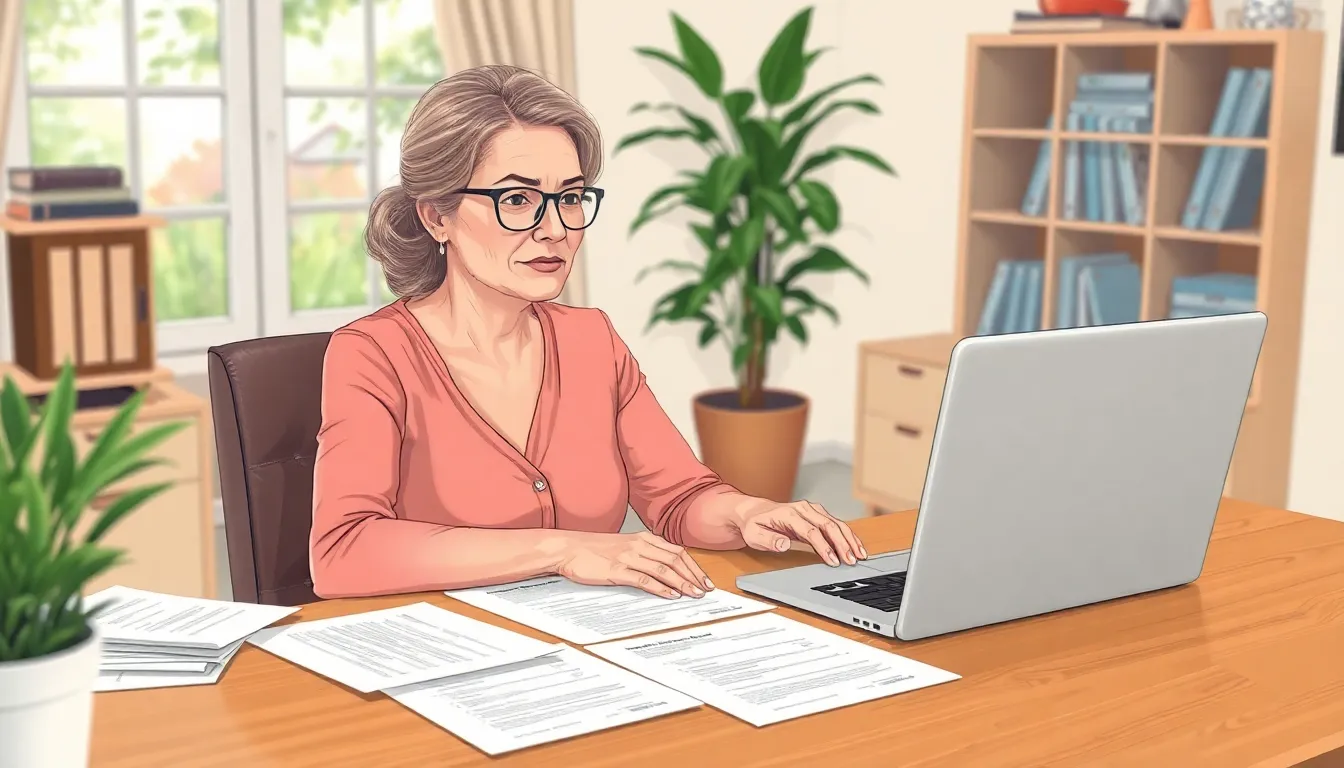
Managing property tax payments requires diligence and organization. Being proactive about deadlines and seeking help when needed enhances the payment experience.
Keeping Track of Deadlines
Deadlines for property tax payments vary by state and locality. Homeowners should mark these dates on their calendars to avoid missing them. Late payments incur penalties and interest, adding financial strain. Utilizing reminders on smartphones can ensure timely action. Many local tax authorities provide online portals where individuals can check their payment status and upcoming deadlines. Staying informed about variance in deadlines can make a significant difference. Planning payment schedules ahead of time helps maintain clarity and reduces last-minute stress.
Seeking Professional Assistance
Professionals can offer valuable insights into property tax management. Tax assessors possess expertise in understanding how assessments impact tax amounts. Hiring a tax consultant or accountant may be advantageous for complex cases. They can help identify potential deductions or exemptions that apply to specific properties. Engaging with a legal professional can also provide guidance if disputes arise regarding assessments. Property owners should recognize that consulting with experts often leads to better financial outcomes. Utilizing available resources can simplify the payment process and enhance understanding of obligations.
Paying property taxes may seem burdensome but it’s an essential responsibility that supports the community’s growth and stability. By understanding the process and exploring various payment options, property owners can manage this obligation more effectively. Staying organized and aware of deadlines can prevent unnecessary penalties and ensure a smoother experience. Seeking professional advice can further enhance one’s knowledge and potentially uncover savings. Embracing property taxes as a vital contribution to local services can transform the perspective on this annual duty, ultimately benefiting both the individual and the community as a whole.