Table of Contents
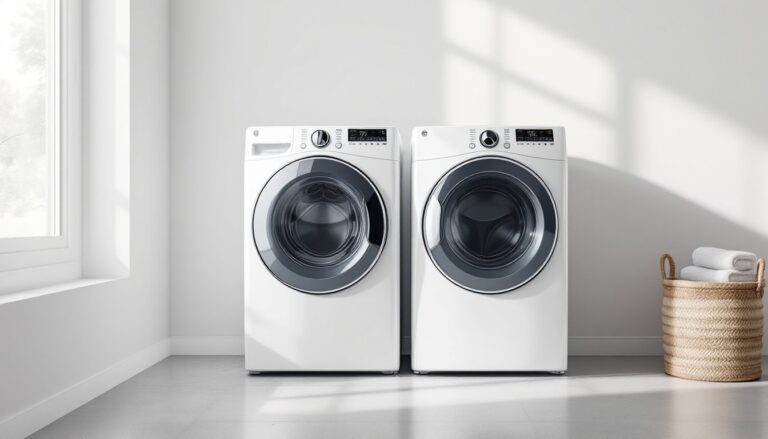
ToggleLG’s Inverter Direct Drive washer dryer combos have become a staple in laundry rooms across the country, and for good reason. The technology eliminates traditional belt-driven systems in favor of a motor attached directly to the drum, reducing mechanical complexity while improving performance. For homeowners planning a laundry room upgrade or dealing with limited space, these all-in-one units offer a compelling alternative to separate washer and dryer setups. This guide breaks down what makes the technology tick, which models deliver the best value in 2026, and what you need to know for installation and upkeep.
Key Takeaways
- LG Inverter Direct Drive washer dryers use a brushless motor attached directly to the drum, eliminating belts and pulleys to reduce energy consumption by 20–30% compared to conventional models.
- These combo units operate quietly at 50–55 dB during wash cycles and require no exterior venting, making them ideal for apartments, condos, and tight laundry spaces.
- The LG WM4000HWA ($1,400–$1,600) offers the best value for most homeowners, while the WM3555HVA provides a compact 24-inch option for closet installations.
- Proper installation requires a 120V outlet, water supply lines, and adequate room airflow, with maintenance limited to monthly gasket cleaning and quarterly tub cleanings.
- LG backs the Inverter Direct Drive motor with a 10-year warranty, and these units can run 15+ years with basic upkeep, though drying cycles take 2–4 hours compared to traditional vented dryers.
What Is LG Inverter Direct Drive Technology?
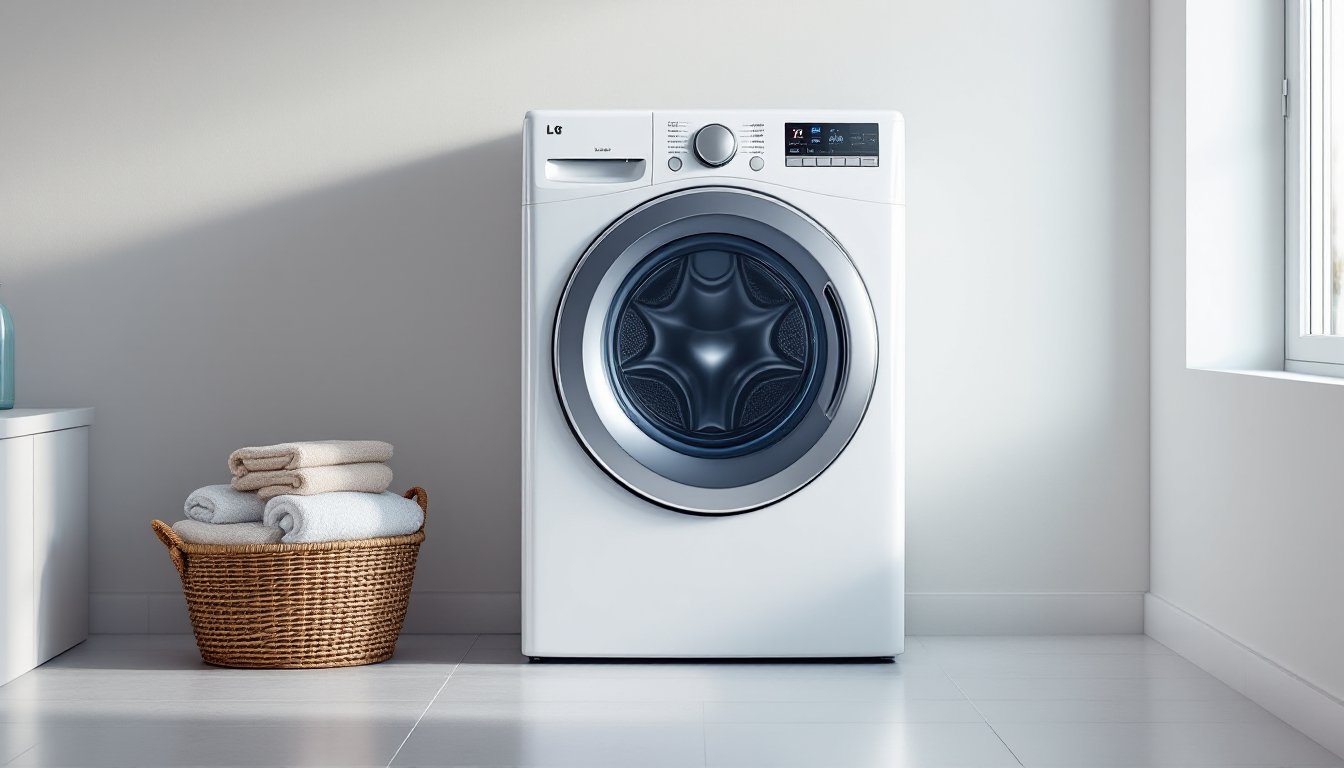
Inverter Direct Drive is LG’s term for a brushless motor system that connects directly to the washer drum without belts or pulleys. In conventional washers, a belt transfers power from the motor to the drum, a setup prone to wear, slippage, and energy loss. Direct drive eliminates that middleman.
The “inverter” part refers to the motor controller. Instead of running at a fixed speed, an inverter motor adjusts its RPM based on load size and cycle requirements. This variable-speed operation cuts energy consumption and reduces mechanical stress on components.
From a homeowner’s perspective, the benefits are tangible: fewer moving parts mean less maintenance, quieter cycles, and a longer lifespan. LG backs the motor with a 10-year warranty on most models, a confidence move that reflects the system’s durability. The drum itself still uses standard bearings and a spider arm assembly, so those remain the primary wear points over time.
Direct drive isn’t unique to LG, other manufacturers use similar systems, but LG’s implementation has been refined over two decades and is now standard across their combo units and many standalone washers.
Key Benefits of LG Inverter Direct Drive Washer Dryers
Energy Efficiency and Cost Savings
Inverter motors consume 20–30% less electricity than conventional belt-driven models, according to DOE testing protocols. The variable-speed operation means the motor only draws the power it needs for each cycle. Smaller loads use less energy, and spin cycles ramp up gradually instead of starting at full torque.
Most LG combo units carry an Energy Star certification, qualifying them for utility rebates in many regions. Expect annual operating costs between $30 and $50 for electricity, depending on local rates and usage patterns. Water consumption is also lower, combo units typically use 10–15 gallons per cycle compared to 20+ gallons for older top-loaders.
The drying function is ventless and uses a heat pump or condensing system, which recycles heat and eliminates the need for exterior venting. That’s a major installation advantage in apartments, condos, or interior laundry closets. But, drying cycles are slower than traditional vented dryers, plan on 2–4 hours for a full load.
Quieter Operation and Reduced Vibration
Direct drive motors run smoother than belt systems, cutting operational noise to 50–55 dB during wash cycles, about the volume of a normal conversation. Spin cycles hit 65–70 dB, comparable to a dishwasher.
Vibration control is handled by a combination of the motor’s precision speed management and LG’s TrueBalance suspension system, which uses shock absorbers and counterweights to stabilize the drum. For second-floor laundry rooms or units installed on wood subfloors, this matters. You’ll still want to level the machine carefully during installation and use an anti-vibration pad if the floor has any flex.
One caveat: combo units spin at lower maximum RPMs than standalone washers (typically 1,200–1,400 RPM vs. 1,600+ RPM), so clothes come out slightly wetter before the dry cycle. That extends total cycle time but reduces mechanical strain and noise.
Top LG Inverter Direct Drive Models to Consider in 2026
LG WM4000HWA – This 4.5 cu. ft. combo is the workhorse model. It includes TurboWash 360 for faster wash cycles, AI DD (detects fabric type and load weight to optimize motion patterns), and 14 wash programs. The ventless heat pump dryer handles up to 8 lbs. Street price hovers around $1,400–$1,600, making it the value pick for most homeowners. It’s a proven unit that experts at top appliance testing labs consistently rank highly for performance and reliability.
LG WKEX200HBA – A premium all-in-one combo with 5.0 cu. ft. capacity and expanded smart features via Wi-Fi and the ThinQ app. You can start cycles remotely, download specialty wash programs, and receive maintenance alerts. The unit also includes steam cleaning and allergen cycle certifications from the Asthma and Allergy Foundation. Expect to pay $2,200–$2,500. It’s overkill for a rental property but ideal for households with specific fabric care needs or tech integration priorities.
LG WM3555HVA – The compact option at 2.3 cu. ft., designed for closet installations or tight spaces. Width is 24 inches, compared to the standard 27-inch footprint. It still uses the same Inverter Direct Drive motor and ventless condenser drying. Capacity is limited, fine for singles or couples, tight for families. Pricing ranges $1,100–$1,300.
All three models are stackable with LG dryers (if you opt for a separate dryer instead of the combo dry function), though most buyers choose combos specifically to save floor space. When evaluating models, factor in the depth, many units extend 30+ inches from the wall, so measure your alcove or closet before ordering.
Installation and Maintenance Tips for Homeowners
Installation is straightforward if you’re replacing an existing washer. You’ll need a 120V outlet (combos don’t require 240V like electric dryers), a cold water supply line, a hot water supply line, and a 2-inch drain or standpipe. Most combo units are ventless, so no exterior duct is required, just adequate airflow in the room to prevent humidity buildup.
Level the machine using the adjustable front feet and a bubble level on top of the unit. An unlevel washer will vibrate excessively and trigger off-balance errors. If you’re installing on a pedestal or elevated platform, secure it with anti-tip brackets.
For homes with hard water, install an inline sediment filter on the supply line. Scale buildup can clog the heat pump condenser and reduce drying efficiency over time. Some regions require a backflow preventer on the water supply to meet plumbing codes, check local requirements.
Maintenance tasks include:
- Monthly: Clean the detergent drawer and rubber door gasket. Mold and mildew thrive in damp residue. Wipe down the gasket with a 1:1 vinegar-water solution.
- Quarterly: Run a tub clean cycle with a washing machine cleaner or two cups of white vinegar. This prevents odor and buildup in the drum and drain system.
- Semi-annually: Inspect and clean the drain pump filter, typically accessed via a small panel at the front base of the unit. Lint, coins, and small items collect here and can trigger drain errors.
- Annually: Check the water inlet screens for sediment. Disconnect the supply hoses and use a small brush or toothpick to clear the mesh filters.
LG’s 10-year motor warranty covers the direct drive system, but door seals, pumps, and control boards are on a 1-year parts and labor warranty. Extended warranties are available through retailers but rarely cost-effective unless you’re installing in a rental property with heavy use.
If you’re handy with basic plumbing and electrical work, installation is a DIY project. If not, most appliance retailers offer delivery and hookup for $100–$200. Professional installation is worth it if you’re moving the washer to a new location that requires running new supply lines or upgrading the electrical circuit. Consult local building codes, some jurisdictions require a licensed plumber for water supply modifications.
Conclusion
LG’s Inverter Direct Drive washer dryer combos deliver reliable, efficient laundry performance in a single footprint. They’re particularly well-suited for homes with space constraints, apartments without venting options, or homeowners prioritizing energy savings and quiet operation. Measure your install location carefully, budget for the longer dry cycles, and keep up with basic maintenance, these units can run 15+ years with proper care.