
Table of Contents
ToggleEver wondered if kayudapu could be your next superfood? This intriguing plant has sparked curiosity among health enthusiasts and researchers alike. With its vibrant green leaves and unique taste, it’s hard not to wonder if this culinary gem packs a nutritional punch.
Overview of Kayudapu
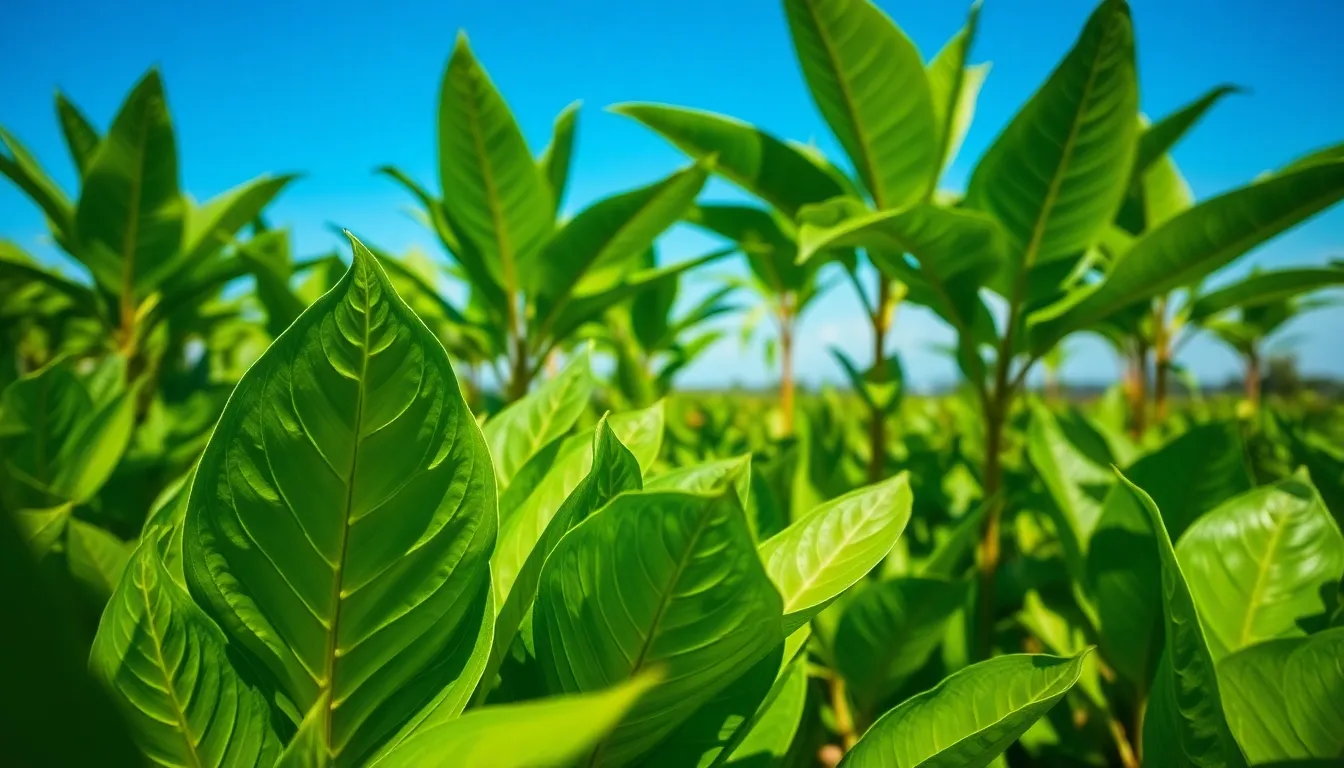
Kayudapu, also known as Amaranthus viridis, presents itself as a remarkable leafy vegetable revered for its nutritional profile. The vibrant green leaves are packed with essential vitamins and minerals, attracting attention from health enthusiasts and researchers alike. Among its nutritional attributes, iron stands out, making it vital for various bodily functions.
Research indicates that kayudapu contains significant levels of iron. This mineral plays a crucial role in oxygen transport and energy metabolism. Specific studies show that consuming 100 grams of raw kayudapu can provide approximately 2.5 to 4.3 mg of iron, a notable contribution to daily dietary requirements, especially for individuals at risk of iron deficiency.
Beyond iron content, kayudapu is rich in other nutrients as well. It offers vitamins A, C, and K and has high levels of calcium and magnesium. These components collectively promote overall health, supporting immune function, maintaining bone density, and aiding in muscle function.
Culinary versatility characterizes kayudapu, as it can be prepared in various ways. Common methods include sautéing, adding to soups, or incorporating into salads. Each preparation maximizes its health benefits while enhancing flavor profiles.
Consumers increasingly recognize kayudapu as a superfood alternative. Its widespread availability in local markets adds to its appeal. By incorporating kayudapu into their diets, individuals can potentially enhance their nutritional intake while enjoying its unique taste.
Emphasis on sustainable farming practices benefits kayudapu cultivation, ensuring that this nutritious vegetable remains accessible to various communities. Awareness and education about its health advantages continue to grow, inviting more exploration into this vibrant green plant’s potential contributions to health and nutrition.
Geological Features of Kayudapu
Kayudapu thrives in diverse geological settings, contributing to its nutritional richness. Various elements found in the soil influence its mineral profile and overall health benefits.
Mineral Composition
Kayudapu contains essential minerals, making it a nutritional powerhouse. Iron ranks high in its mineral makeup, with research revealing that consuming 100 grams of raw kayudapu can provide about 2.5 to 4.3 mg of iron. Alongside iron, it boasts significant amounts of calcium, magnesium, and potassium. These minerals support various bodily functions, from muscle contraction to bone health. The presence of vitamins A, C, and K enhances its overall nutritional value. Each mineral plays a crucial role, contributing to the plant’s status as a superfood.
Rock Formations
The rock formations in the regions where kayudapu grows impact its mineral uptake. Soil types often dictate the availability of essential nutrients. Sandy loam and clay soils generally offer optimal drainage and nutrient retention, promoting healthy plant growth. Volcanic soils rich in minerals may lead to enhanced mineral concentrations in kayudapu. Geological processes, including weathering and sedimentation, contribute to the mineral diversity in these areas. Such geological features create a supportive environment for kayudapu, enhancing its appeal as a healthful addition to diets.
Iron Resources in Kayudapu
Kayudapu demonstrates a significant iron presence, crucial for its nutritional value and health benefits. The plant’s ability to absorb minerals from the soil contributes to its rich iron content.
Evidence of Iron Deposits
Research shows that kayudapu tends to grow in iron-rich soils, often found in regions with volcanic activity. These soils naturally enhance the plant’s iron levels due to mineral leaching and weathering processes. Data indicates that areas with clay and loamy soil types commonly host kayudapu, providing the essential nutrients for optimal growth. The presence of iron deposits in these soils supports nutrient absorption, resulting in higher iron concentrations within the plant itself. Studies reveal that consumers benefit from the iron content in kayudapu, positioning it as a viable option for combating iron deficiency.
Methods of Extraction
Harvesting kayudapu involves careful handling to preserve its nutrient quality, particularly iron. Cultivators often employ sustainable practices to maintain soil health, ensuring a rich iron supply. Manual harvesting allows for optimal selection of mature leaves, maximizing their nutritional value. After collection, processes like washing and drying are employed to enhance the plant’s usability. These methods help retain the iron content while preparing it for various culinary applications. Proper extraction methods strengthen kayudapu’s role as a nutritional powerhouse, making it a popular choice among health-conscious individuals.
Economic Impact of Iron Mining in Kayudapu
Iron mining in Kayudapu significantly influences the local economy. The extraction and processing of iron ore contribute to job creation and economic activities within the community.
Job Creation
Iron mining generates numerous employment opportunities. Workers in Kayudapu support various roles, including mining, processing, and transportation. Skilled labor, from engineers to skilled technicians, is often in demand within this sector. Furthermore, local support services, such as supply and maintenance, experience growth, introducing new jobs in the surrounding areas. Sustainable practices during mining operations uphold long-term employment prospects while enhancing the workforce’s skill set. Overall, the increase in job availability strengthens community resilience and economic stability.
Contributions to Local Economy
Iron mining serves as a backbone of Kayudapu’s local economy. Revenue from iron mining often circulates within the community, boosting local businesses and increasing consumer spending. As iron mining operations expand, local infrastructure, such as roads and utilities, receives improvements, benefiting residents. Tax revenues from these operations fund essential public services, including education and healthcare. Beyond immediate economic benefits, the presence of iron mining attracts investments, encouraging long-term development within the region. Engaging local suppliers for mining operations cultivates relationships, fostering community ties while stimulating economic growth.
Kayudapu stands out as a nutrient-rich superfood with significant iron content. Its ability to thrive in iron-rich soils contributes to its impressive nutritional profile. This makes it particularly beneficial for individuals at risk of iron deficiency. The plant’s culinary versatility enhances its appeal, allowing for various preparations that can easily fit into diverse diets.
Moreover, the sustainable farming and harvesting practices associated with kayudapu ensure that its health benefits are preserved while supporting local economies. As awareness of its nutritional advantages grows, kayudapu is likely to become a staple in health-conscious diets, further solidifying its status as a valuable addition to modern nutrition.