
Table of Contents
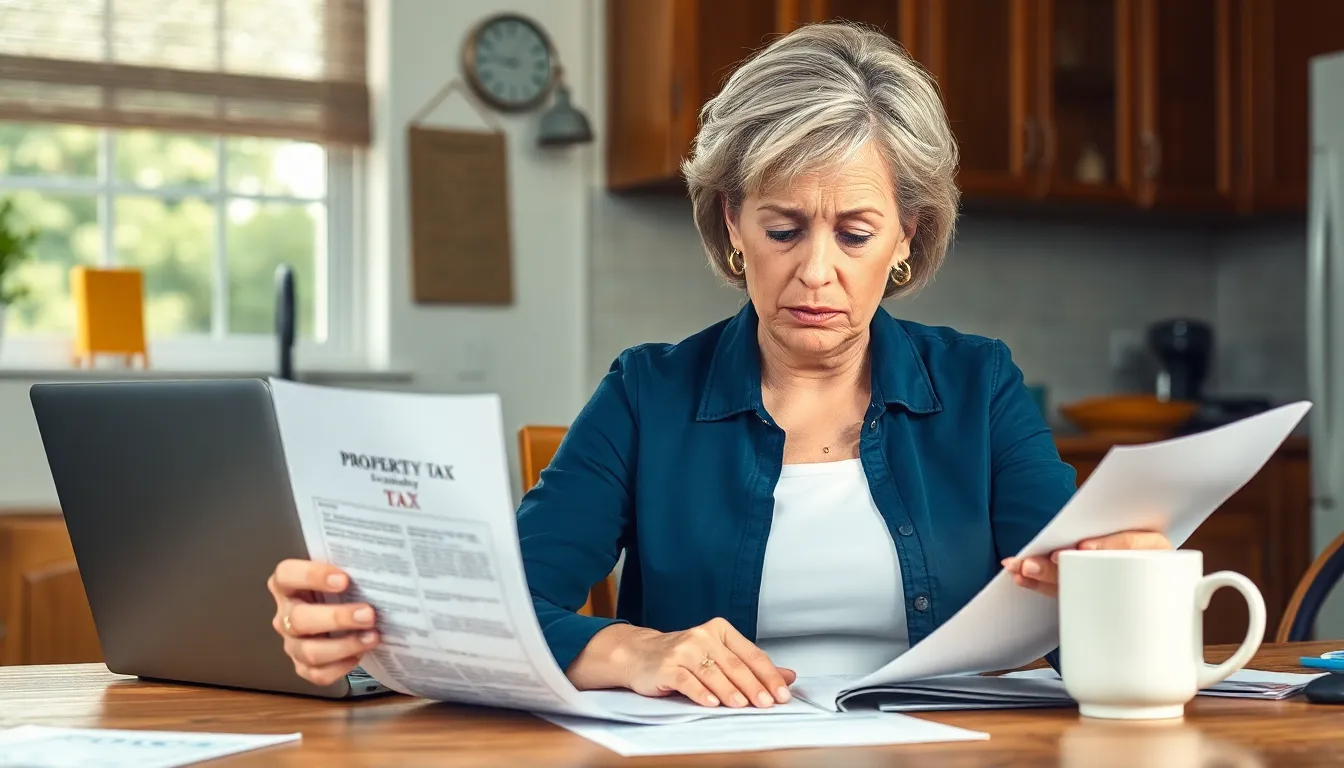
ToggleProperty taxes can feel like that uninvited guest who shows up to every party and never leaves. Just when you think you’ve got your budget under control, they sneak in and take a hefty chunk of your hard-earned cash. But fear not! There’s a way to send that pesky guest packing.
Understanding Property Taxes
Property taxes represent a major financial obligation for homeowners and property owners. Understanding the basics of property taxes is essential for effective financial planning.
What Are Property Taxes?
Property taxes are levies imposed by local governments based on property value. These taxes fund essential services, including public education, infrastructure, and emergency services. Local governments assess properties regularly to determine their market value, which directly influences the tax amount. Homeowners may also encounter different rates depending on their jurisdiction. Common property types subject to taxation include residential homes, commercial buildings, and land.
How Property Taxes Are Calculated
Local government officials calculate property taxes using a simple formula. They multiply the assessed property value by the local tax rate. The assessed value often results from a formal property appraisal, while the tax rate varies by location and budget needs. Governments typically review property values yearly or biannually to ensure accuracy. Additional exemptions, such as those for veterans or senior citizens, may adjust the final tax amount. Understanding these calculations aids homeowners in anticipating their tax obligations.
Reasons to Appeal Property Taxes
Appealing property taxes can reduce financial strain, especially for homeowners. Specific reasons underpin this important decision.
Common Grounds for Appeal
Declining property values form a strong basis for appeals. If a property’s market value decreases, homeowners can present evidence showing discrepancies in assessments. Errors in property assessment also offer valid reasons to contest taxes. Mistakes regarding square footage or incorrect descriptions lead to inflated valuations. Furthermore, comparing similar properties within the neighborhood showcases unfair treatment. Disparities in assessed values among comparable homes indicate potential overvaluation.
Importance of Timely Appeals
Understanding timelines plays a crucial role in the appeal process. Most jurisdictions impose strict deadlines for filing appeals, often within a few months of assessments. Submitting an appeal promptly ensures homeowners retain their right to contest the property tax. Delayed actions might lead to forfeiting opportunities for a reduction. Preparing documentation in advance streamlines the process, making a well-organized appeal more effective. Engaging with local tax authorities early can offer clarity on necessary steps, enhancing the potential for a successful outcome.
The Appeal Process
Understanding the appeal process can simplify navigating property tax disputes. Homeowners can take proactive steps to reduce unwanted tax burdens.
Gathering Necessary Documentation
Collecting the right documentation is crucial for substantiating claims. Property owners should gather the property tax bill, previous assessments, and photographs of the property. Comparable sales data from similar properties provides context. Evidence of declining property values, such as recent sales prices of nearby homes, strengthens the case. Compile all documentation neatly and ensure it’s easily accessible during the appeal process.
Steps to File an Appeal
Filing an appeal requires a clear and organized approach. Start by researching local appeal procedures and deadlines, as these vary across jurisdictions. Next, prepare a detailed appeal letter outlining the reasons for disagreement. Include the gathered documentation to support claims thoroughly. Submit the appeal within the established timeframe, ensuring that all required forms are completed accurately. Stay informed about the scheduling of hearings or meetings related to the appeal, as attending can provide an opportunity for further justification.
Tips for a Successful Appeal
Successful property tax appeals require preparation and strategy. Understanding these tips can make a significant difference in the outcome.
Presenting Your Case Effectively
Clear presentation of evidence is crucial. Begin by organizing all necessary documentation, ensuring it supports your argument. Collect comparable sales data for similar properties and highlight any discrepancies in assessments. Use visuals, like photographs of the property, to clarify its condition and value. Explain items in your appeal letter logically, addressing each point succinctly. Comply with local formats and guidelines, as this boosts credibility. Consider structuring your letter in concise paragraphs, making it easier for reviewers to digest information. Clear, accurate data enhances the strength of your appeal.
Seeking Professional Help
Expert assistance often leads to better outcomes. Engaging a property tax consultant or attorney can provide valuable insights. They understand local appeals processes and can identify key areas to focus on. Professionals typically analyze property assessments efficiently, helping spot errors or inconsistencies. Their experience in preparing and presenting appeals can significantly influence results. Additionally, they can represent homeowners during hearings, advocating on their behalf. Weigh the potential costs against the possible savings from reduced taxes when considering professional help. Investing in expertise frequently yields substantial financial benefits.
Navigating property taxes can feel daunting but appealing them offers a viable path to financial relief. Homeowners can take control by understanding the assessment process and identifying grounds for appeal. With timely action and thorough documentation, it’s possible to challenge unfair valuations effectively.
Engaging with local tax authorities and presenting a well-organized case can significantly enhance the chances of success. Utilizing professional assistance can also be a wise investment, providing valuable insights and representation. By following these strategies, homeowners can work towards reducing their property tax burdens and achieving a more manageable financial situation.