
Table of Contents
ToggleSmall living rooms, multi-use guest spaces, and studio apartments all face the same dilemma: how to fit comfortable seating and a functional guest bed without turning the room into a furniture warehouse. A chaise sleeper sofa solves that puzzle by combining a lounger, sofa, and pull-out bed in one footprint. It’s not just about saving square footage, it’s about creating a space that actually works when relatives show up unannounced or movie night turns into a sleepover. This guide walks through what makes a chaise sofa sleeper different, how to pick one that’ll last, and what to watch for before hauling one through the doorway.
Key Takeaways
- A chaise sleeper sofa combines a lounger, sofa, and pull-out bed in one piece, making it ideal for small spaces, guest rooms, and multi-use living areas.
- Look for a chaise sleeper with a hardwood frame, locking hinge mechanism, and quality mattress (memory foam, innerspring, or air-coil hybrid) to ensure durability and guest comfort.
- Measure your doorway and room layout carefully—typical chaise sleepers run 90–110 inches wide with 50–60 inches of pull-out clearance needed in front.
- Built-in storage under the chaise cushion and reversible chaise orientation options add functionality and flexibility to small-space design.
- Maintain your chaise sleeper by vacuuming weekly, lubricating the mechanism twice yearly, and deploying the bed every two months to prevent wear and mechanical failure.
- With proper care and quality construction, a chaise sleeper sofa delivers 10–15 years of reliable performance as a multi-functional furniture investment.
What Is a Chaise Sleeper Sofa?
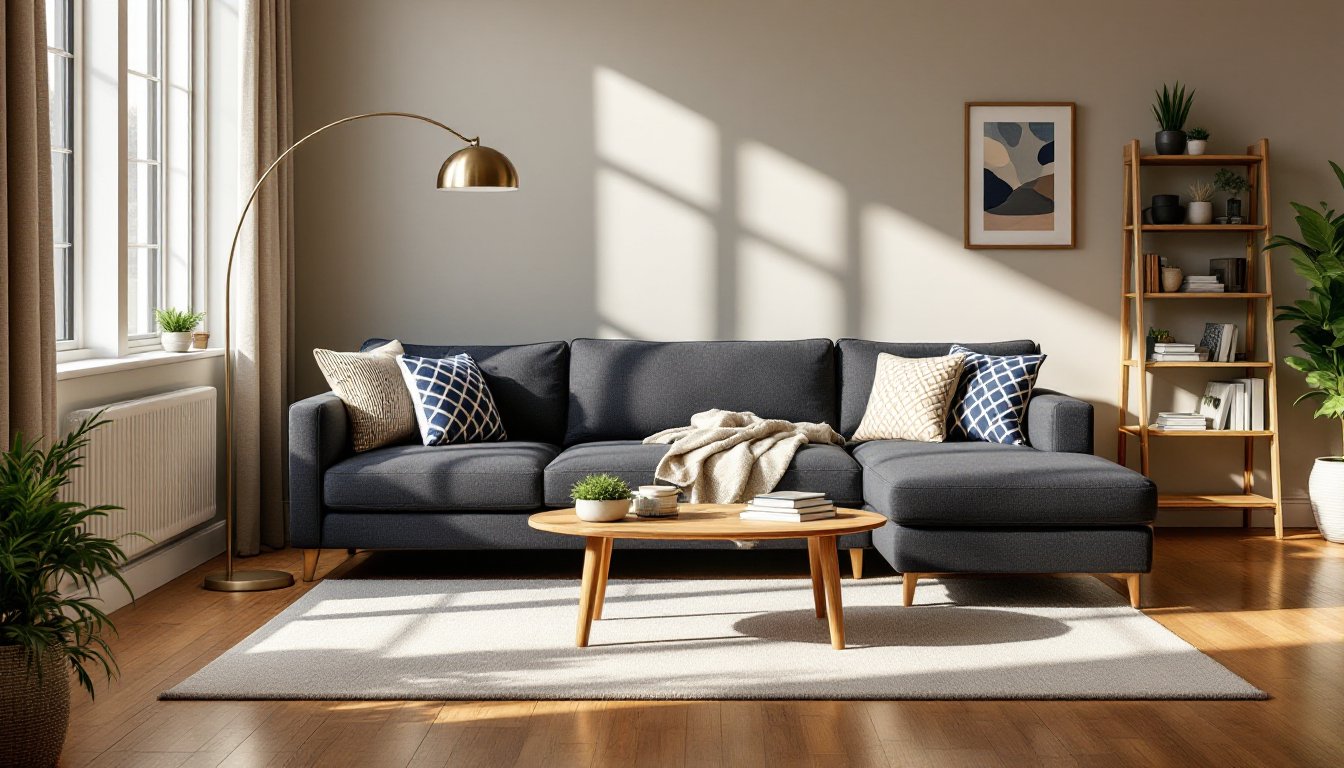
A chaise sleeper sofa is a sectional-style sofa with an extended chaise lounge on one end and a pull-out mattress hidden in the main seating area. The chaise portion, typically 60 to 75 inches deep, provides a built-in footrest and reclining space, while the sleeper mechanism (usually a pull-out or fold-out frame) transforms the seating section into a full or queen-size bed.
Unlike standard sleeper sofas that sacrifice legroom for mattress storage, the chaise design keeps the lounging area intact. When the bed’s deployed, the chaise stays in place, creating an L-shaped sleep zone that can accommodate two adults comfortably. Most models use a metal pull-out frame with either a traditional innerspring mattress, memory foam, or an air-coil hybrid.
The mechanism matters. Cheaper models rely on a bar-and-spring setup that sags within a year. Look for hardwood frames (not particleboard) and a locking hinge mechanism that won’t fold up mid-sleep. The chaise component should be reversible or at least offered in left- and right-facing configurations, so it fits the room layout without blocking walkways or windows.
Key Benefits of Choosing a Chaise Sleeper Sofa
The biggest win is dual functionality without doubling furniture. Instead of cramming a sofa, ottoman, and guest bed into a 12×14 room, one chaise sleeper handles all three. That’s crucial in condos, basements, or home offices where every foot counts.
A chaise sofa sleeper also beats a standard futon or fold-out couch on comfort. The chaise section provides proper lumbar support for daytime lounging, no more stacking throw pillows to prop up. When it’s time for guests, the mattress unfolds to a legitimate sleeping surface, not a metal-bar torture rack. Many 2026 models come with gel-infused memory foam mattresses (4 to 6 inches thick) that rival standalone guest beds.
Another advantage: improved traffic flow. Because the chaise anchors one end, the rest of the room stays open. Visitors staying overnight often share insights from small-space solutions that emphasize keeping pathways clear. A well-placed chaise sleeper does that while still seating four to five people during a party.
Finally, most chaise sleepers include built-in storage under the chaise cushion, a hidden compartment for extra bedding, throw blankets, or off-season pillows. That’s a game-changer when closet space is already maxed out.
How to Choose the Right Chaise Sleeper Sofa for Your Home
Size and Room Layout Considerations
Measure the room, and the doorway, before ordering. A typical chaise sleeper runs 90 to 110 inches wide (including the chaise) and 38 to 42 inches deep. When the bed’s pulled out, add another 50 to 60 inches of clearance in front. Sketch the layout on graph paper (¼ inch = 1 foot scale) to visualize how it’ll sit when deployed.
Check the chaise orientation. If the sofa backs up to a wall with a window on the left, a right-facing chaise keeps the view unblocked. Some models offer a reversible chaise that detaches and reattaches on either side, worth the extra cost if the room layout might change.
Don’t forget ceiling height if the room has low beams or a drop ceiling. Pulling out the mattress requires kneeling and lifting: if there’s only 7 feet of clearance, it’ll be tight. Also confirm the sleeper mechanism: some fold forward (requiring front clearance), others pull straight out.
For tight spaces, look for a compact chaise sleeper with a twin or full mattress instead of a queen. Those run about 80 to 95 inches wide and work better in apartments or bonus rooms under 150 square feet.
Mattress Type and Comfort Features
The mattress makes or breaks guest satisfaction. Innerspring mattresses (5 to 6 inches thick) are the traditional choice, durable, breathable, but heavier to deploy. Memory foam mattresses (4 to 5 inches) are lighter and easier to fold, but they can sleep hot unless they’re gel-infused or have a ventilated core.
Air-coil hybrids split the difference: coil support with a foam topper. They’re mid-weight and handle varied body types better than pure foam. Test the mattress in the showroom by actually lying down for a few minutes, don’t just press it with your hand.
Pay attention to the mechanism’s operation. A good sleeper opens with a two-handed pull (one person, no tools) and locks into place with an audible click. Avoid models that require lifting the seat cushions off entirely or that need a second person to wrestle the frame.
Look for removable, washable covers on both the sofa and mattress. Spills happen, and a zippered slipcover saves hundreds in professional cleaning. The frame should be kiln-dried hardwood, maple, oak, or birch, not engineered wood or metal tubing. Check the joinery: corner blocks glued and screwed (not just stapled) will outlast cheaper construction by years.
Styling Your Space Around a Chaise Sleeper Sofa
Because a chaise sleeper is a dominant piece, build the room around it rather than trying to squeeze it in. Start with a neutral upholstery color, charcoal, taupe, or navy, that won’t clash when trends shift. Add personality with throw pillows, blankets, and a patterned area rug.
Place the sofa against the longest wall, chaise facing into the room. This creates a natural conversation area and leaves space for a coffee table (48 to 60 inches long) that won’t block the pull-out path. Avoid pushing the chaise into a corner unless the sleeper mechanism folds forward: otherwise, guests will bang knees on the wall.
Lighting matters. Position a floor lamp or arc lamp behind the chaise for reading, and add a table lamp on the opposite end for ambient light. Wall sconces save floor space and keep cords out of the pull-out zone. Modern designs featured on interior design platforms often use dimmers to shift from bright task lighting to low-level guest-room ambiance.
For multi-use rooms, use a room divider or bookshelf to visually separate the sleeping area when the bed’s in use. A folding screen (72 inches tall) or a cube shelf unit provides privacy without permanent construction.
Keep the coffee table lightweight, something guests can easily slide aside when deploying the bed. Nesting tables or a lift-top coffee table with storage work well. Avoid heavy glass-top tables that require two people to move.
Maintenance and Care Tips for Long-Lasting Use
Vacuum the upholstery weekly using the brush attachment to prevent dust and pet hair from embedding in the fabric. For microfiber or polyester, spot-clean spills immediately with a damp cloth and mild detergent (test in a hidden spot first). Leather and faux leather need a dedicated cleaner every three months to prevent cracking.
Rotate the seat and back cushions monthly to even out wear. If the cushions have zippers, flip the foam inserts as well. This simple step can double the lifespan of the padding.
Lubricate the sleeper mechanism twice a year with a silicone spray (not WD-40, which attracts dust). Spray the hinge points, slide rails, and any locking tabs. Wipe off excess to prevent staining the mattress or upholstery.
Deploy the bed at least once every two months, even if no one’s using it. This keeps the springs and hinges from seizing and allows the mattress to air out. When the bed’s extended, vacuum the mattress and check for any loose screws or bent frame components.
Protect the mattress with a waterproof, breathable cover, especially important for homes with kids or pets. Wash the cover every few months according to the care label.
If a spring starts squeaking or the frame wobbles, tighten all bolts and screws with a socket wrench. Most sleeper frames use ½-inch or ⅜-inch hex bolts. If a support leg bends, replace it immediately, continuing to use a damaged frame can warp the sofa’s structure. Resources like furniture care guides offer model-specific troubleshooting for common sleeper sofa issues.
For long-term storage or seasonal use, leave the bed partially open (frame extended, mattress folded) in a climate-controlled space. Fully closing a sleeper that won’t be used for months can compress the mattress foam permanently.
With proper care, a quality chaise sleeper sofa should provide 10 to 15 years of reliable service, handling everything from Netflix marathons to holiday guest overflow without breaking a sweat. The upfront investment pays off when it replaces three pieces of furniture and still looks sharp a decade later.