
Table of Contents
ToggleBisque appliances had their heyday in the ’80s and ’90s, but they’re making a quiet comeback in kitchens that favor warm, vintage, or farmhouse aesthetics. Unlike the crisp white or stainless steel that dominates most showrooms, bisque, a soft, creamy off-white, adds warmth without the high-maintenance fingerprint trail of darker finishes. If you’re renovating an older home, matching existing appliances, or just tired of the cold modern look, a bisque dishwasher might be exactly what your kitchen needs. This guide walks through what bisque is, where to find it in 2026, how to make it work with your design, and how to install and maintain it so it lasts.
Key Takeaways
- A bisque dishwasher is a warm, creamy off-white finish that adds vintage charm to kitchens with warm wood tones and farmhouse aesthetics, offering a softer alternative to stark white or stainless steel.
- Limited availability in 2026 means bisque dishwashers are available primarily through GE, Frigidaire, and Hotpoint as special-order options, with lead times of 4–8 weeks for custom finishes.
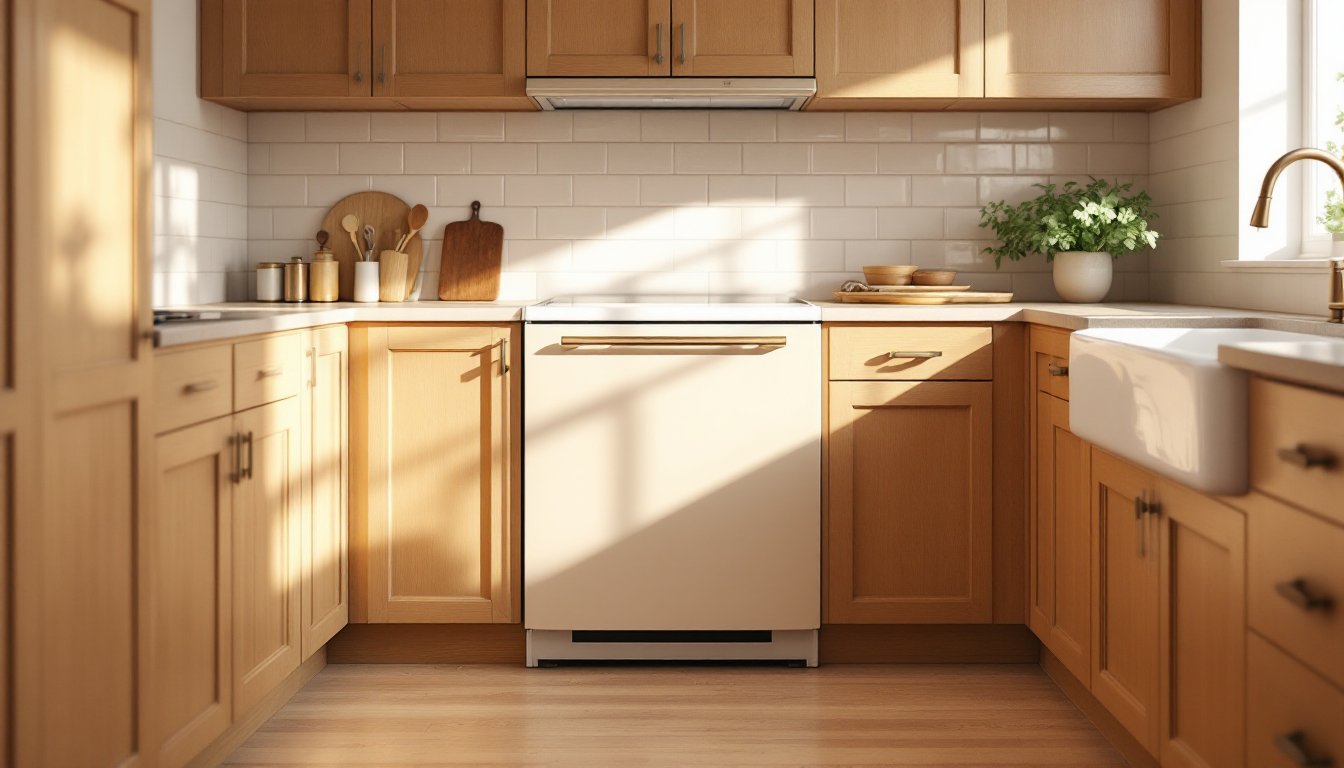
- Bisque pairs best with honey oak cabinets, cream-painted cabinetry, and warm-toned countertops like butcher block or granite with cream flecks—avoid pairing with stark white, dark espresso finishes, or cool gray hardware.
- Installation is a half-day DIY project requiring proper water, drain, and electrical connections; key steps include leveling the unit, creating a high-loop drain hose, and testing for leaks before finishing.
- Bisque finishes require weekly wiping with soft cloths and monthly vinegar cleaning to prevent yellowing and grease buildup, avoiding harsh chemicals that can discolor the surface.
- If you can’t find bisque new, consider certified refurbished units from the ’90s and 2000s, European brands like Smeg, or professional appliance refinishing at $150–$300 to match existing kitchen aesthetics.
What Is a Bisque Dishwasher and Why Choose One?
Bisque is a warm, neutral tone somewhere between white and beige, think eggshell or almond. It’s not cream (which leans yellower) and not pure white. The color became standard in the appliance industry during the 1980s and early ’90s, often paired with oak cabinets and earth-tone countertops.
Today, bisque is considered a specialty finish. Most manufacturers have shifted to white, black, and stainless steel. But bisque still has its place. Homeowners choose it for a few practical reasons:
- Matching existing appliances. If you’re replacing one unit in a kitchen that already has bisque, finding a match saves the cost of replacing everything.
- Warmth in design. Bisque softens the look of a kitchen, especially in homes with warm wood tones, vintage tile, or country-style cabinetry.
- Less starkness. Pure white can feel clinical in certain lighting. Bisque takes the edge off without going full beige.
- Retro or farmhouse aesthetics. If you’re restoring a period home or leaning into a cottage or farmhouse vibe, bisque fits the era.
Keep in mind: bisque is not the same as cream. A cream dishwasher has a slightly yellower, richer hue and is even rarer in the appliance market. If you’re shopping online or at a big-box store, double-check product photos and color codes. Lighting in showrooms can make bisque look whiter or darker than it actually is.
Top Brands and Models Offering Bisque Dishwashers in 2026
Bisque availability is limited in 2026, but a few manufacturers still offer it as a special-order finish or through select retailers. Here’s where to look:
GE Appliances continues to produce bisque models in their standard and budget lines. The GE GSD2100V series, a dependable workhorse with a plastic tub and basic wash cycles, is available in bisque. It’s not fancy, no third rack or adjustable tines, but it’s affordable and reliable for straightforward cleaning.
Frigidaire occasionally offers bisque as a custom color option on select models. Availability varies by region, so check with local appliance dealers or call Frigidaire directly. Expect longer lead times (4–8 weeks) for special finishes.
Hotpoint, a GE subsidiary, also lists bisque in some built-in models. These are entry-level units with solid performance for smaller households or secondary kitchens.
If you can’t find bisque in stock, consider these alternatives:
- Certified refurbished units. Older bisque dishwashers from the ’90s and early 2000s sometimes appear on appliance resale sites. Just confirm the unit has been tested and comes with a warranty.
- Custom appliance painting. Some appliance refinishers can spray your existing dishwasher door in a bisque epoxy finish. This works if you’re trying to match a specific shade, but it voids the manufacturer warranty.
- European imports. Brands like Smeg and Bosch occasionally offer retro or custom color lines that include cream or bisque tones, though these come at a premium price point.
When comparing models, prioritize dishwasher energy efficiency and noise ratings over color alone. A quiet, efficient machine that matches your kitchen beats a loud clunker any day.
How to Match a Bisque Dishwasher with Your Kitchen Design
Bisque works best in kitchens with warm or neutral palettes. It clashes with cool grays, stark whites, and ultra-modern finishes. Here’s how to make it cohesive.
Color Coordination and Cabinet Pairing
Cabinets: Bisque pairs naturally with:
- Honey oak, maple, or cherry wood. The warm undertones harmonize.
- Cream or off-white painted cabinets. Creates a monochromatic, soft look.
- Sage green, soft blue, or taupe. These muted colors complement bisque without fighting it.
Avoid pairing bisque with:
- Stark white Shaker cabinets. The contrast will make the bisque look dingy.
- Espresso or very dark wood. The warmth of bisque can look yellowish against deep browns.
- Cool gray or stainless steel hardware. Stick with brass, bronze, or brushed nickel in warm tones.
Countertops: Bisque looks balanced with:
- Laminate or tile in neutral tones (tan, beige, soft gray with warm veining).
- Butcher block or wood countertops. The natural grain adds warmth.
- Granite or quartz with cream, gold, or brown flecks. Avoid pure white or cool gray stone.
Backsplash: Subway tile in cream, beige, or soft white works well. Patterned tile with warm earth tones (terracotta, mustard, rust) also complements bisque. For inspiration on coordinating kitchen finishes and fixtures, test paint chips and tile samples in your actual lighting before committing.
Flooring: Wood, cork, or vinyl plank in medium to light tones keeps the space cohesive. Avoid dark or red-toned hardwood, which can make bisque look washed out.
Installation Tips for Your Bisque Dishwasher
Installing a dishwasher is a half-day DIY project if you’re comfortable with basic plumbing and electrical work. If you’ve never done it, hire a licensed plumber or appliance installer, improper hookups can cause leaks, electrical faults, or voided warranties.
Tools and materials you’ll need:
- Adjustable wrench
- Screwdriver (Phillips and flathead)
- Level (4-foot recommended)
- Teflon tape
- Wire nuts (if hardwiring)
- Dishwasher connector kit (includes water supply line and drain hose adapter)
- Safety glasses and work gloves
Step-by-step installation:
- Shut off water and power. Turn off the hot water supply valve under the sink. Flip the breaker for the dishwasher circuit (or unplug if it uses a standard outlet).
- Remove the old unit (if applicable). Disconnect the water supply line, drain hose, and electrical connection. Slide the old dishwasher out carefully, cabinet fillers or toe kicks may need to be removed first.
- Prep the opening. Standard dishwasher openings are 24 inches wide, 24 inches deep, and 34–35 inches tall. Confirm your new unit fits. Remove any debris or old mounting brackets.
- Level the new dishwasher. Slide it partway into the opening. Adjust the front leveling legs (usually threaded feet at the front corners) until the unit is plumb front-to-back and side-to-side. Use a 4-foot level on top of the unit. An unlevel dishwasher won’t drain properly.
- Connect the water supply. Wrap Teflon tape on the threads of the water inlet (usually a 3/8-inch compression fitting at the front left of the unit). Attach the braided stainless steel supply line. Hand-tighten, then snug with a wrench, don’t overtighten or you’ll crack the fitting.
- Attach the drain hose. The drain hose connects to your sink’s drain or garbage disposal. Use a hose clamp to secure it. Important: Create a high loop (the hose should rise to the underside of the countertop before dropping to the drain) to prevent backflow. Some jurisdictions require an air gap fitting, check local plumbing codes.
- Wire the electrical. If hardwiring, connect the dishwasher’s cable to the junction box using wire nuts: black to black (hot), white to white (neutral), green or bare copper to ground. If using a plug, simply insert into the outlet. Secure the cable with a strain relief connector.
- Secure the unit. Slide the dishwasher fully into the opening. Drive screws through the mounting brackets (usually at the top front corners) into the underside of the countertop. Use #8 x 5/8-inch screws for laminate or wood: don’t overdrive into stone.
- Test before finishing. Turn on the water and power. Run a short cycle to check for leaks at the water supply, drain connection, and tub seals. Listen for unusual noise or vibration.
- Install the toe kick. Snap or screw the front panel (toe kick) into place to cover the legs and connections.
Safety notes:
- Wear safety glasses when working under the sink.
- If your home has old wiring (knob-and-tube, ungrounded circuits), hire an electrician to bring the circuit up to code.
- Some areas require a permit for dishwasher installation if you’re adding a new circuit or moving plumbing. Check with your local building department.
Maintenance and Care to Keep Your Bisque Finish Looking New
Bisque shows scuffs, stains, and discoloration more readily than stainless steel, so regular cleaning matters.
Routine cleaning:
- Wipe the door and handle weekly with a soft microfiber cloth and warm soapy water. Avoid abrasive sponges or scouring pads, they’ll dull the finish.
- For stubborn smudges or grease, use a paste of baking soda and water. Apply gently with a damp cloth, rinse, and dry.
- Don’t use bleach-based cleaners or harsh degreasers. They can yellow or discolor bisque over time.
Preventing yellowing:
Bisque appliances can develop a yellow tint, especially in kitchens with heavy cooking or poor ventilation. To minimize this:
- Run your range hood during cooking to reduce grease buildup in the air.
- Clean spills and splatters on the dishwasher door immediately.
- Once a month, wipe down the exterior with a diluted solution of white vinegar and water (1:1 ratio) to cut grease and prevent buildup.
Interior maintenance:
- Run a dishwasher cleaner (like Affresh or Finish) monthly to prevent mineral buildup and odors.
- Check and clean the filter weekly. A clogged filter reduces wash performance and can cause standing water.
- Inspect the spray arms quarterly. Remove any debris stuck in the spray holes.
Long-term care:
If your bisque finish starts looking dingy after years of use, you have a few options:
- Appliance wax: Auto paste wax (like Turtle Wax) can restore some luster. Apply a thin coat, let it haze, then buff with a clean cloth.
- Magic Eraser (use sparingly): Melamine foam erasers can remove stubborn stains, but they’re mildly abrasive. Test in an inconspicuous spot first.
- Professional refinishing: If the finish is chipped or badly discolored, appliance refinishers can respray the door in a matching bisque epoxy for $150–$300, depending on your region.
For more home appliance care tips and maintenance schedules, keep a simple checklist on your fridge. A little upkeep prevents costly repairs and keeps your bisque dishwasher looking sharp for years.
Conclusion
Bisque dishwashers aren’t for everyone, but they’re a solid choice if you’re after warmth, period-appropriate design, or a match for existing appliances. Availability is tighter in 2026, so plan ahead, order early, and confirm color codes before purchase. Installation follows standard dishwasher procedures, level it, secure your connections, and test for leaks. With the right cleaning routine, bisque holds up well and keeps your kitchen looking cohesive and inviting.