Table of Contents
ToggleProfessional-grade appliances aren’t just for restaurants anymore. Homeowners tackling kitchen renovations or building outdoor entertaining spaces are increasingly turning to commercial undercounter refrigerators for their durability, capacity, and performance. These compact workhorses slide beneath counters, islands, or bars, delivering serious cooling power without gobbling up floor space. Whether you’re a serious home chef who needs extra cold storage or a renovator looking to maximize every square inch, understanding what sets commercial units apart, and how to install them properly, can save you from costly mistakes and buyer’s regret.
Key Takeaways
- Commercial undercounter refrigerators deliver superior durability, temperature consistency, and capacity compared to residential models, making them ideal for home chefs, renovations, and outdoor entertaining spaces.
- When selecting a commercial undercounter refrigerator, prioritize capacity sizing, door swing direction, front-breathing vs. rear-breathing ventilation requirements, and digital thermostat features for reliable food safety.
- Proper installation requires accurate measurements, dedicated electrical circuits (typically 115V/15A GFCI-protected), adequate clearance for airflow, and precise leveling to ensure optimal performance and door sealing.
- Ideal installation locations include kitchen islands, butler’s pantries, wet bars, and outdoor kitchens, but maintain at least 6 inches separation from heat sources like ovens and dishwashers.
- Regular maintenance—cleaning condenser coils monthly, inspecting door gaskets quarterly, and monitoring temperature daily—is essential to prevent premature compressor failure and extend the unit’s lifespan beyond 10 years.
- While commercial undercounter units consume similar energy to residential fridges and offer superior serviceability with replaceable parts, expect higher noise levels (45-55 dB) and trade-offs with open-concept kitchens or high utility rates.
What Is a Commercial Undercounter Refrigerator?
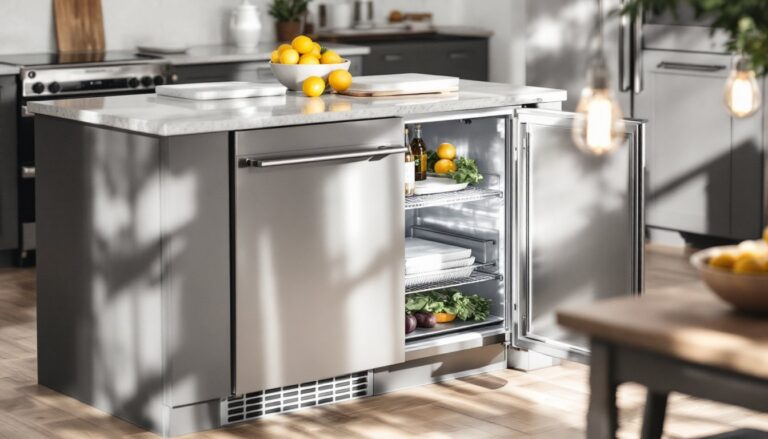
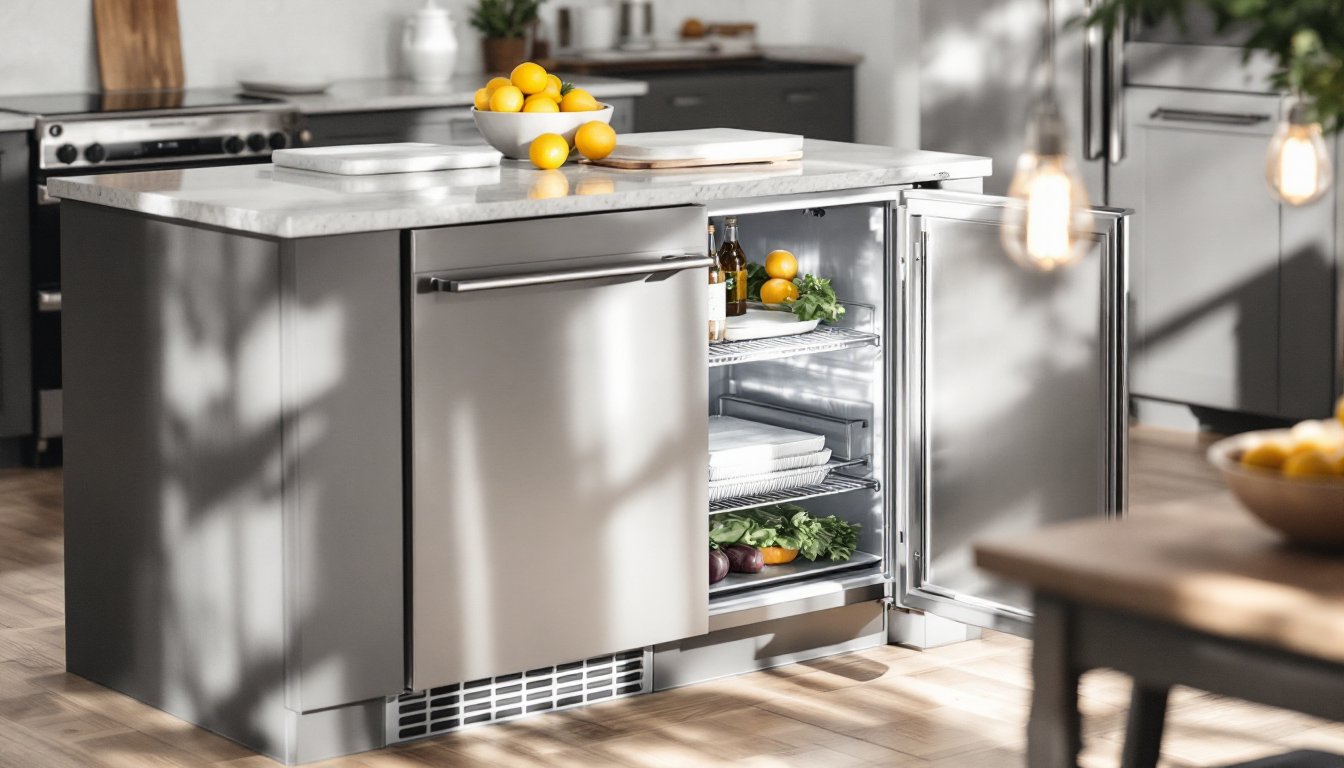
A commercial undercounter refrigerator is a heavy-duty refrigeration unit designed to fit beneath standard counter heights (typically 34 to 36 inches) while delivering the cooling performance and build quality expected in professional kitchens. Unlike residential undercounter models, commercial versions use more robust compressors, thicker insulation, and stainless steel construction to handle continuous use and rapid temperature recovery.
Most units measure 24 to 48 inches wide, with depths ranging from 24 to 30 inches to accommodate standard counter overhangs. They’re built to NSF or UL standards for food service environments, meaning they meet strict sanitation and temperature-holding requirements. You’ll find solid door models (more energy-efficient) and glass door versions (easier inventory visibility, but they work harder to maintain temp).
The key difference from residential mini-fridges or beverage coolers? Temperature consistency and recovery speed. A commercial unit maintains 33°F to 38°F even when you’re opening the door frequently or loading warm items, critical for food safety. Compressors are sized for duty cycles that would burn out a consumer-grade unit in months. Expect these to weigh 150 to 300 pounds when empty, thanks to commercial-grade components and reinforced cabinet construction.
Why Choose a Commercial Undercounter Refrigerator for Your Home?
Home chefs who entertain regularly or prep large batches benefit from the reliable temperature control and larger usable capacity. Commercial units don’t waste interior space on through-the-door ice makers or crisper drawers with failure-prone humidity sliders. You get open, adjustable shelving designed for sheet pans and hotel pans, not just condiment jars.
Durability is the second major draw. Restaurant equipment is engineered for 10-plus years of daily abuse. Hinges, door gaskets, and thermostats are serviceable parts, not sealed assemblies you throw away. Many kitchen design ideas now incorporate commercial-grade undercounter units in islands or butler’s pantries for this exact reason, they outlast consumer models by a factor of three or more.
For outdoor kitchens or basement bars, stainless steel exteriors resist corrosion and clean up easily after messy cook sessions. Commercial undercounter refrigerators also handle higher ambient temperatures better than residential units, which matters if you’re installing in a garage workshop or covered patio where summer temps spike.
The trade-off? Noise and energy consumption. Commercial compressors are louder (45 to 55 dB is typical) and cycle more aggressively. They’re not Energy Star certified in most cases. If your kitchen is open-concept or your utility rates are high, factor those costs into your decision.
Key Features to Look for When Buying
Start with capacity and configuration. Commercial undercounter units range from 3.5 cubic feet (single door, 24-inch width) to 12+ cubic feet (double door, 48-inch width). Count your sheet pans, stockpots, and beverage cases to size correctly. Adjustable shelving with epoxy-coated or stainless wire racks gives you flexibility as needs change.
Door swing direction matters more than you’d think. Most units offer field-reversible doors, but confirm before you buy. If you’re flanking an island with two units, you’ll want doors that open away from each other for workflow efficiency. Glass doors add 10 to 15 percent to the purchase price but let you see inventory without opening, a genuine energy saver if you’re stocking a bar or beverage station.
Front-breathing vs. rear-breathing is critical for built-in installations. Front-breathing (or front-vented) units exhaust heat through the toe kick, allowing zero-clearance installation against walls or in tight alcoves. Rear-breathing models need 2 to 4 inches of clearance behind and above for airflow, or the compressor will overheat and fail. Check the spec sheet, some manufacturers play loose with this distinction.
Look for casters or adjustable legs. Even built-in units should be movable for cleaning and service access. Commercial models typically ship with 4-inch adjustable legs: you may need to purchase locking casters separately if you want true mobility.
Temperature Control and Energy Efficiency
Digital thermostats with external displays let you monitor temps without opening the door. The tighter the range (±1°F is ideal), the better for food safety and energy use. Some units add high/low temp alarms, worth the extra cost if you’re storing expensive proteins or prepared foods.
Commercial undercounter refrigerators aren’t built to Energy Star specs, but newer models use R-290 (propane) or R-600a (isobutane) refrigerants, which are more efficient and environmentally friendly than older R-134a systems. Expect energy consumption around 2 to 4 kWh per day for a 6-cubic-foot unit. For context, that’s about what a residential fridge uses, but in a much smaller footprint.
Insulation thickness varies, better units use 2 inches or more of polyurethane foam. This shows up in the cabinet depth and weight, so heavier isn’t always bad. Thin-walled budget models will cycle constantly and cost you more on the electric bill over their shorter lifespan.
Best Locations for Installing an Undercounter Refrigerator
The classic spot is beneath a kitchen island or peninsula, providing cold storage at your primary prep zone. This works especially well in larger kitchens (200+ square feet) where the main fridge is 10 or more steps away. Pair it with an induction cooktop or prep sink on the same island for a complete work triangle.
Butler’s pantries and wet bars are natural fits. You can stock beverages, cheese, and charcuterie without traffic through the main kitchen. For wet bars, a glass-door unit showcases your beer and wine selection while keeping it at serving temp. Just ensure the space has adequate ventilation, stacking an undercounter refrigerator commercial unit under a closed cabinet without airflow will shorten its life.
Outdoor kitchens demand weatherproof or weather-resistant construction. Not all commercial undercounter refrigerators are rated for outdoor use: look for units with sealed electrical components and corrosion-resistant hardware if installing under a covered patio. Ambient temperatures above 100°F can challenge even commercial compressors, so factor in shade or additional ventilation.
Basements and workshops benefit from the extra cold storage, but watch for moisture. Commercial units don’t have built-in dehumidification. If your basement runs damp, you’ll see condensation on exterior surfaces and door gaskets may mildew. A dehumidifier in the same space solves this.
Avoid installing directly next to ovens, dishwashers, or other heat sources. Maintain at least 6 inches of separation, or use a heat shield (a simple sheet of foil-faced rigid insulation works). High ambient temps force the compressor to run longer, burning more energy and shortening component life.
Installation Tips and Space Requirements
Measure the rough opening carefully. Width and height should allow 1/4 inch clearance on each side and top for ease of installation and removal. Depth is trickier, many commercial units protrude 1 to 2 inches beyond standard 24-inch base cabinets. Confirm cabinet depth and plan for either a proud installation or a custom deeper counter.
Electrical requirements are typically 115V/15A on a dedicated circuit. Some larger or high-performance units require 20A circuits. Use a GFCI-protected outlet if installing in a wet bar, outdoor kitchen, or within 6 feet of a sink per NEC guidelines (codes vary by jurisdiction, confirm with your local inspector). The plug is usually a standard three-prong NEMA 5-15P, but commercial units often have the cord exit from the bottom rear, not the back panel, so plan conduit or outlet placement accordingly.
For built-in installations, verify whether the unit is front-breathing. If so, ensure the toe kick grille isn’t blocked by trim or a decorative panel. Rear-breathing units need 2 to 4 inches behind the cabinet and an inch or two above for hot air to escape, this often means a taller rough opening or a ventilated top panel.
Leveling is non-negotiable. An out-of-level refrigerator won’t seal properly, and the compressor may struggle or make noise. Use the adjustable legs to get the unit level side-to-side and front-to-back, then check door swing and gasket contact. A properly leveled door should stay in any position you leave it, it shouldn’t swing open or closed on its own.
Many home product guides recommend anchoring freestanding units to cabinetry with L-brackets to meet tip-over safety standards, especially if you have young kids. Commercial units are heavy, but a loaded unit with the door open can tip forward if bumped.
Maintenance and Care Best Practices
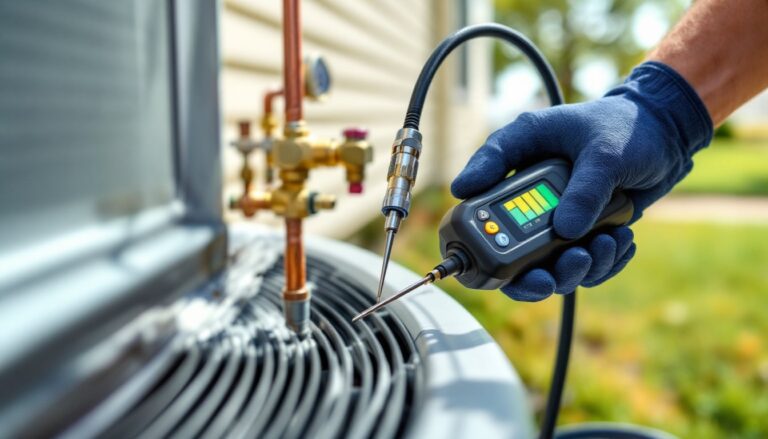
Clean the condenser coils every three to six months. Most commercial undercounter units have coils accessible from the front toe kick or a rear panel. Use a coil brush (available at any HVAC supply) and a shop vac to remove dust and lint. Dirty coils are the number-one cause of premature compressor failure. If you have pets or your kitchen sees heavy use, bump this up to monthly.
Check door gaskets quarterly. Wipe them down with warm soapy water and inspect for cracks or tears. A failing gasket lets cold air escape, forcing the compressor to cycle more and spiking your energy bill. Replacement gaskets cost $40 to $100 and are usually DIY-friendly, just peel off the old one and press the new gasket into the retaining groove.
Defrost and deep-clean the interior every few months. Even auto-defrost models benefit from a manual wipe-down with a mild sanitizer (a capful of bleach in a gallon of water works, or use a commercial food-safe cleaner). Remove shelves and wash separately. This also gives you a chance to check the drain pan and drain line for clogs, which can cause water pooling inside the cabinet.
Monitor temperature daily if you’re storing perishables. A sudden swing (unit running warmer or colder than setpoint) can indicate a failing thermostat, low refrigerant, or a compressor issue. Commercial units are serviceable, but parts and labor add up, catching problems early saves money. Many appliance reviews note that proactive maintenance doubles the effective lifespan of commercial refrigeration.
Safety note: Always unplug the unit before performing any maintenance beyond basic cleaning. Wear cut-resistant gloves when handling sheet metal edges and condenser fins, commercial equipment isn’t rounded and buffed like consumer stuff. If you smell ammonia or notice oily residue around the compressor, call a refrigeration tech immediately. That’s a refrigerant leak, and DIY repairs aren’t safe or legal in most areas.
Commercial undercounter refrigerators are built to last, but they demand respect. Treat them like the professional tools they are, regular maintenance, proper installation, and realistic expectations, and they’ll outlive and outperform any residential alternative you’d squeeze into the same space.