Table of Contents
ToggleWarehouse clubs aren’t just for bulk toilet paper and rotisserie chickens anymore. Costco has quietly entered the home improvement space, offering bathroom remodeling services through partnerships with licensed contractors. For homeowners looking to balance quality with budget constraints, this option presents an intriguing alternative to traditional general contractors or big-box retailers. But does Costco’s approach actually deliver value, or are you better off going another route? This guide breaks down exactly what Costco offers for bathroom renovations, what you’ll pay, and whether it’s the right fit for your project.
Key Takeaways
- Costco bathroom remodel services connect members with vetted contractors through partnerships, offering convenient replacement-grade projects like tub-to-shower conversions at $5,000–$15,000, though you sacrifice customization for streamlined coordination.
- Expect a one to three-day installation for basic bathroom remodels using standardized acrylic or composite materials, with lifetime material warranties and one-year labor coverage that often exceeds budget contractor offerings.
- Costco’s bathroom remodel process works best for homeowners seeking straightforward solutions without design complexity; contractor quality varies by region, so always compare independent bids and clarify permit responsibility before signing.
- Limited customization means Costco won’t accommodate custom tile, heated floors, or layout changes—independent general contractors offer flexibility but cost $8,000–$25,000+ for comparable work.
- Hidden costs to clarify upfront include disposal fees, permit filing responsibility, and unexpected structural issues like water damage or mold discovered during demolition.
What Does Costco Offer for Bathroom Remodeling?
Costco doesn’t swing hammers or install tile themselves. Instead, they act as a referral service connecting members with vetted contractor networks in their area. You’ll work through Costco’s partnership with Bath Planet (in most regions) or similar contractors who specialize in bathroom makeovers.
The process starts online or in-store, where you schedule a free in-home consultation. A contractor visits your property, measures the space, discusses design preferences, and provides a project estimate. Costco’s role is matchmaking and limited oversight, they help the connection but don’t perform the work.
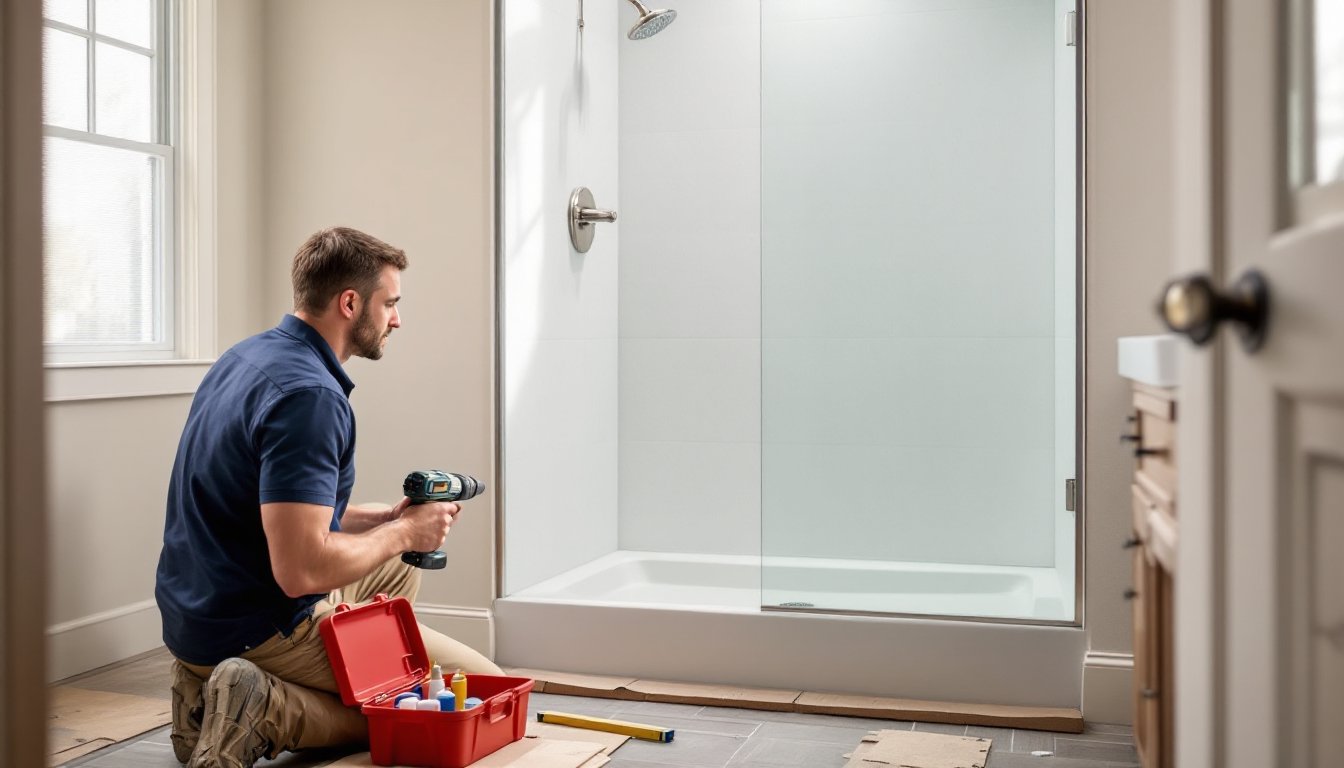
Most packages focus on tub-to-shower conversions, walk-in showers, or bathtub replacements using acrylic surrounds and composite materials. Think replacement-grade products rather than custom tile work or high-end fixtures. You’re getting standardized solutions designed for quick installation, typically one to three days for basic projects.
Costco members get some perks: potential pricing leverage through bulk contractor agreements, an Executive Member 2% reward on eligible purchases, and basic project coordination. But, customization is limited compared to hiring an independent contractor who can source any material you want. If you’re envisioning heated floors, custom niches with designer tile, or a complete gut-and-rebuild, Costco’s offerings won’t cut it.
Cost Breakdown: How Much Does a Costco Bathroom Remodel Actually Cost?
Pricing varies significantly based on region, scope, and selected materials, but expect $5,000 to $15,000 for most Costco bathroom remodel projects. A straightforward tub-to-shower conversion typically lands in the $6,000–$9,000 range, while more involved work like a full shower system with accessibility features can push toward $12,000–$15,000.
Here’s what usually drives the cost:
- Base acrylic or composite wall surrounds: Standard white or basic patterns run cheapest. Upgraded faux-stone or tile-look patterns add $500–$1,500.
- Shower pan or tub replacement: Expect $800–$2,000 depending on size and material.
- Fixtures and hardware: Builder-grade chrome fixtures are included in base pricing. Brushed nickel, oil-rubbed bronze, or rainfall showerheads increase costs by $200–$600.
- Labor and installation: Bundled into the package but reflects one to two installers over one to three days, depending on complexity.
- Accessibility add-ons: Grab bars, low-threshold pans, or built-in seating add $300–$1,000.
Costco bathroom remodel reviews frequently mention that quoted prices are competitive with mid-tier contractors, though not necessarily the cheapest option available. You’re paying for convenience and coordination, not rock-bottom pricing. Always compare at least two independent bids before committing, regional contractors may undercut Costco if they’re hungry for work, especially during slower seasons.
One cost advantage: no design fees or project management markups beyond what’s baked into the contractor’s quote. Traditional remodelers often tack on 15–25% overhead. Costco’s model avoids that, though you sacrifice some design flexibility in exchange.
Pros and Cons of Using Costco for Your Bathroom Renovation
Key Advantages of Choosing Costco
Pre-screened contractor networks save you the hassle of vetting strangers from Google or Angie’s List. Costco requires contractors to carry liability insurance and maintain certain quality standards, though enforcement varies.
Simplified process appeals to homeowners who want minimal decision fatigue. You’re choosing from a curated set of materials and finishes rather than wandering aisles or scrolling through endless tile samples online. Many homeowners using DIY home improvement resources for other projects appreciate this streamlined approach for bigger jobs.
Warranty coverage typically includes a lifetime warranty on materials and a one-year labor warranty, which exceeds what some budget contractors offer. Exact terms depend on the contractor, so read the fine print.
Executive Member cash back (2%) applies to eligible purchases, which can mean $100–$300 back on a $10,000 project, not life-changing, but a nice offset.
Potential Drawbacks to Consider
Limited customization is the biggest trade-off. If you want specific tile, unique layouts, or anything outside the pre-packaged offerings, you’ll hit a wall fast. Costco’s model prioritizes speed and standardization over bespoke design.
Contractor quality varies by region. Costco doesn’t employ these contractors, they partner with regional installers. Some markets get excellent crews: others report issues with scheduling, communication, or workmanship. Costco bathroom remodel reviews are mixed on this front, with satisfaction often hinging on which contractor you’re assigned.
No structural work or major layout changes. Moving plumbing lines, relocating fixtures, or opening walls requires permits and licensed plumbers or electricians. Costco’s contractors handle replacement-grade work, not gut renovations. If your project involves moving a toilet more than a few inches or upgrading electrical for a new vent fan beyond a simple swap, you’ll need to hire additional trades separately.
Permit responsibility falls on the homeowner in many cases. Verify who pulls permits before signing anything. Some jurisdictions require permits even for tub-to-shower conversions, especially if plumbing or electrical changes occur. Skipping this step can create headaches during home sales or insurance claims.
Step-by-Step: How to Start Your Costco Bathroom Remodel Project
Step 1: Verify membership and eligibility. You need an active Costco membership to access remodeling services. Services aren’t available nationwide, check availability for your ZIP code on Costco’s website before getting too excited.
Step 2: Schedule the in-home consultation. Book online or call Costco’s home improvement hotline. The contractor will visit within one to two weeks (longer during peak spring and summer seasons). Prepare by measuring your existing bathroom, noting any issues like soft flooring or slow drains, and gathering inspiration photos for finishes you like.
Step 3: Review the quote in detail. The contractor provides a written estimate covering materials, labor, timeline, and warranty terms. Compare this against at least one independent contractor bid. Ask about:
- Lead time: How soon can they start? What’s the total project duration?
- Disposal: Who hauls away the old tub or shower? Is that cost included?
- Permits: Does the quote include permit fees, and who handles filing?
- Surprises: What happens if they find rot, mold, or outdated plumbing once walls are open?
Step 4: Finalize selections and sign the contract. Choose your wall surrounds, fixtures, and any add-ons. Read the contract carefully, note cancellation policies, payment schedules (often 50% upfront, 50% on completion), and warranty details.
Step 5: Prep the space before installation day. Clear the bathroom completely, remove toiletries, towels, rugs, and anything stored under the sink. Protect nearby flooring with rosin paper or plastic sheeting if the crew doesn’t provide drop cloths. Ensure clear access to the work area: installers hate navigating tight hallways filled with boxes.
Step 6: Oversee installation and final inspection. Be present during demolition to flag any unexpected issues like water damage or outdated wiring. Once complete, inspect all seams, test fixtures for leaks, and verify that cleanup is thorough before making the final payment. Taking inspiration from design-focused remodel galleries can help you assess finish quality and alignment.
Step 7: Document everything. Keep photos of the finished work, copies of the contract, warranty paperwork, and receipts. If issues arise later, you’ll need this documentation to claim warranty coverage.
Alternative Options: Comparing Costco to Other Bathroom Remodel Solutions
Costco isn’t your only play. Here’s how other approaches stack up:
Independent general contractors offer maximum flexibility. You choose every material, fixture, and finish. Costs run higher, expect $8,000 to $25,000+ for comparable work, but you get custom layouts, tile work, and control over every detail. Best for homeowners who know exactly what they want and don’t mind managing multiple decisions. Always verify licensing, check references, and get at least three bids.
Big-box retailers (Home Depot, Lowe’s) provide similar referral-based services. Pricing and quality are comparable to Costco, but you won’t get membership perks. These programs shine when you’re already shopping at those stores for other materials and want one-stop coordination. Like Costco, contractor quality varies regionally.
DIY partial remodels save serious money if you have skills and time. Tackling a vanity replacement, new fixtures, paint, and lighting yourself can refresh a bathroom for $1,500 to $4,000 in materials. But, tub and shower replacements require plumbing knowledge, proper waterproofing (cement board or waterproof membrane behind surrounds), and often a second pair of hands. Know your limits, botched plumbing or improper slope on a shower pan leads to leaks, mold, and expensive repairs.
Specialized bathroom remodelers (Re-Bath, Bath Fitter, local pros) focus exclusively on bathrooms, offering quicker timelines and proven systems. Pricing typically mirrors Costco’s, but some provide more finish options. Watch for high-pressure sales tactics and compare warranties carefully.
Budget-conscious hybrid approach: Hire a licensed plumber for rough plumbing and drain work, then handle demolition, painting, and finish work yourself. This splits the cost difference while ensuring code-compliant plumbing. A plumber charges $75 to $150 per hour, so a half-day visit to relocate a showerhead valve or upgrade drain lines might cost $400–$800 versus $3,000+ if bundled into a full remodel.
Eventually, Costco works best for homeowners who value convenience and straightforward solutions over custom design, want vetted contractor access without extensive research, and are tackling replacement-grade work rather than structural overhauls. If your vision involves anything beyond swapping fixtures and surrounds, explore independent contractors who can bring that vision to life.