

Imagine walking into your living room and having your favorite show greet you like an old friend. Smart entertainment systems are transforming the way people experience media, turning ordinary spaces into immersive havens of fun. Gone are the days of fumbling with remotes or searching for that elusive streaming app. With a few taps or even just a voice command, the magic unfolds.
Overview of Smart Entertainment Systems
Smart entertainment systems represent a significant advancement in how people consume media. These systems integrate various technologies to create a seamless viewing experience. Users access multiple streaming platforms through one interface, eliminating the need for separate devices. Voice commands and touch controls simplify navigation, allowing for intuitive interaction with content.
Devices include smart TVs, streaming boxes, and sound systems that work together to enhance the user experience. Connectivity features such as Wi-Fi and Bluetooth enable streaming from mobile devices directly to larger screens. Additionally, these systems adapt to user preferences over time, offering personalized suggestions that align with viewing habits.
Popular brands continuously innovate in this field, integrating artificial intelligence for smart recommendations. The use of apps enhances functionality, letting users control their entire entertainment setup from their smartphones or tablets. Gamers benefit from dedicated features like low latency modes and adaptive audio technologies.
Different systems cater to various needs. Some prioritize high-resolution video with support for 4K or even 8K content. Others focus on sound quality, providing surround sound options for a more immersive audio experience. Smart entertainment systems also integrate with home automation systems, allowing users to control lighting and temperature alongside their media.
Sustainability efforts have led to energy-efficient designs in many smart devices. Manufacturers encourage recycling of old equipment, which aligns with modern eco-conscious consumer habits. The combination of these features reflects the evolving landscape of how people engage with entertainment and underscores the ongoing innovation within this dynamic industry.
Key Features of Smart Entertainment Systems
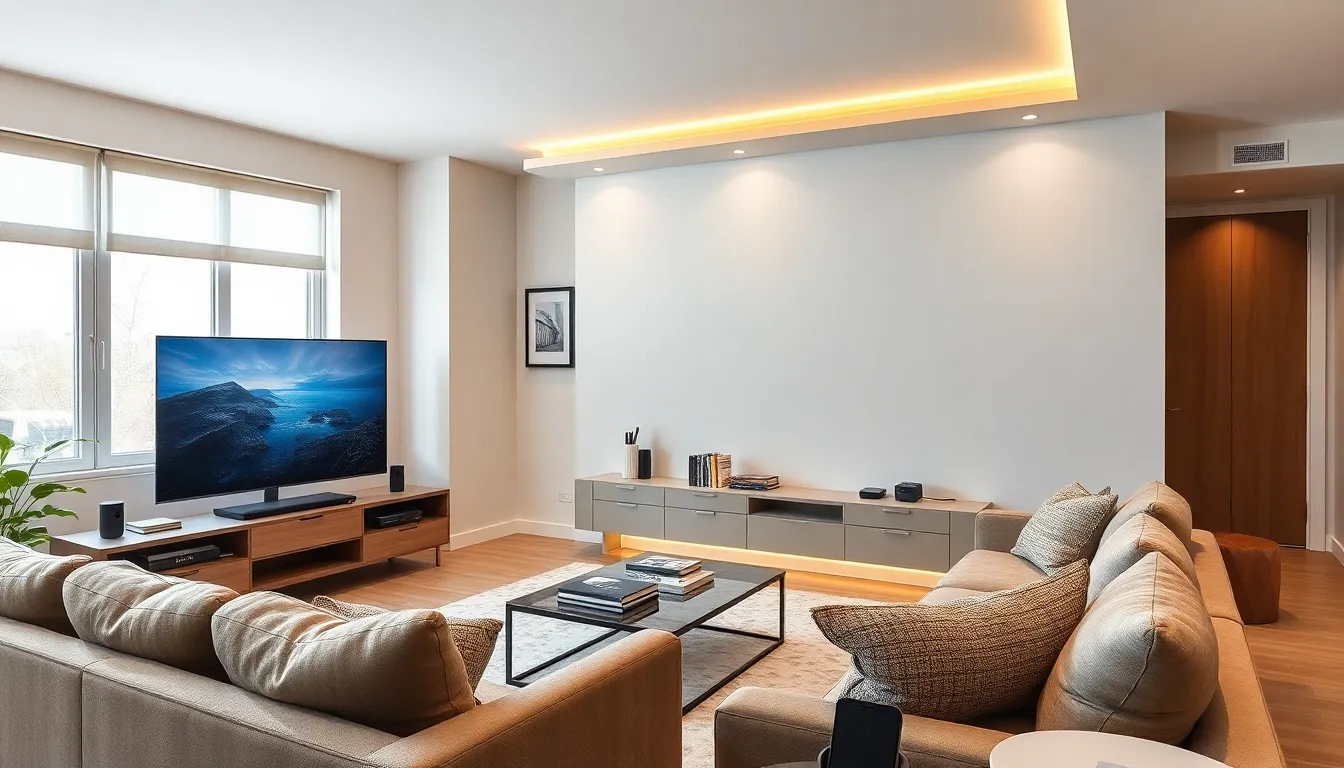
Smart entertainment systems offer advanced capabilities that revolutionize media consumption. These features enhance user experience, simplifying access to diverse content.
Connectivity and Integration
Connectivity forms the backbone of smart entertainment systems. Wi-Fi enables seamless streaming from numerous online platforms without interruptions. Bluetooth capabilities allow users to connect their smartphones and tablets effortlessly. Multiple device integration is crucial; users can manage various entertainment options from a single system. Smart entertainment systems work harmoniously with other smart home devices, ensuring functionality across diverse ecosystems. Innovative brands are emphasizing strong wireless connections to enhance user convenience and reduce lag during playback.
User Interface and Experience
User interface design plays a pivotal role in smart entertainment systems. Intuitive navigation simplifies access to content; users can browse effortlessly using voice commands. Touch controls offer additional options, allowing for quick adjustments and selections. Personalization enhances the experience, adapting to individual viewing habits and preferences. Systems often provide content recommendations based on user behavior, making discovery enjoyable. Notably, the overall experience focuses on minimizing complexity and maximizing engagement, which aligns with consumer desires for streamlined enjoyment.
Popular Smart Entertainment Systems on the Market
Consumers benefit from a variety of smart entertainment systems, each designed to enhance the viewing experience. These systems integrate innovations that simplify access to entertainment content.
Brands to Consider
Leading brands in smart entertainment systems include Roku, Amazon Fire TV, and Apple TV. Each brand offers unique features targeting various consumer needs. Roku excels in providing a user-friendly interface and a broad range of channels. Amazon Fire TV integrates seamlessly with Alexa, allowing for voice control and smart home connection. Apple TV stands out with its emphasis on high-quality streaming and compatibility with other Apple devices.
Comparative Analysis
When comparing different systems, key factors include operating systems, compatibility, and content offerings. Roku provides access to a wider selection of streaming services than most competitors. Amazon Fire TV impresses with its robust Alexa integration, enhancing user interaction. Apple TV, while typically pricier, delivers high-resolution video quality and an intuitive interface. Evaluating these attributes helps users select the system that best aligns with their entertainment preferences and integration needs.
Benefits of Smart Entertainment Systems
Smart entertainment systems offer numerous advantages that enhance media consumption. User engagement increases significantly due to their diverse capabilities.
Enhanced User Experience
Intuitive navigation enhances ease of use, allowing users to access content quickly. Personalization creates a tailored experience, as systems adapt to individual viewing habits. Content recommendations evolve based on previous choices, ensuring that entertainment options align with preferences. Voice commands simplify interaction, eliminating the need for traditional remotes. Users appreciate seamless integration with other smart devices, enhancing the overall enjoyment of media consumption. Compatibility with various streaming platforms consolidates access into a single interface, promoting efficiency.
Energy Efficiency
Energy-efficient designs contribute to sustainability efforts, appealing to eco-conscious consumers. Smart entertainment systems reduce power consumption through advanced technology. Many devices incorporate features that automatically turn off when not in use, minimizing energy waste. Recycling initiatives associated with these systems protect the environment further. Various brands emphasize energy-efficient models, ensuring that consumers benefit from reduced energy costs over time. Users find value in systems that combine high performance with eco-friendly practices, fostering responsible media consumption.
Challenges and Considerations
Smart entertainment systems come with several challenges that users need to acknowledge. Understanding these challenges ensures an optimal experience and effective usage.
Privacy and Security Concerns
Privacy and security stand as significant issues in smart entertainment systems. Users connect devices to home networks, creating potential vulnerabilities. Cyberattacks can exploit these systems, leading to unauthorized access to personal data. With many systems collecting user data for personalized recommendations, individuals must consider the implications of data sharing. Implementing strong passwords and regularly updating software can help mitigate risks. Awareness of privacy policies from manufacturers also plays a vital role in protecting personal information. Users need to educate themselves on the security measures available within their systems to ensure a safe media environment.
Compatibility Issues
Compatibility can pose a problem for smart entertainment systems. Different brands often have unique operating systems and protocols, which may limit device integration. Users may find themselves with devices that don’t communicate effectively or lack support for specific apps. Before purchase, it’s crucial to evaluate compatibility with existing systems and devices. Conducting research into product specifications ensures seamless integration with home automation solutions. Users should also seek systems that support a broad range of streaming platforms and associated features, enhancing versatility. The right choices minimize frustrations and provide a smoother entertainment experience.
Conclusion
Smart entertainment systems represent a significant leap forward in how people consume media. With their intuitive designs and seamless integration of technology, these systems enhance user engagement and simplify access to a world of content.
As brands continue to innovate with features like voice commands and personalized recommendations, users can expect an increasingly tailored viewing experience.
While the benefits are clear, it’s essential to remain aware of potential privacy and compatibility challenges. By taking proactive steps to secure devices and researching product specifications, users can fully enjoy the advantages these systems offer.
The future of entertainment is bright with smart systems leading the way, making it easier than ever to connect, enjoy, and explore media.