
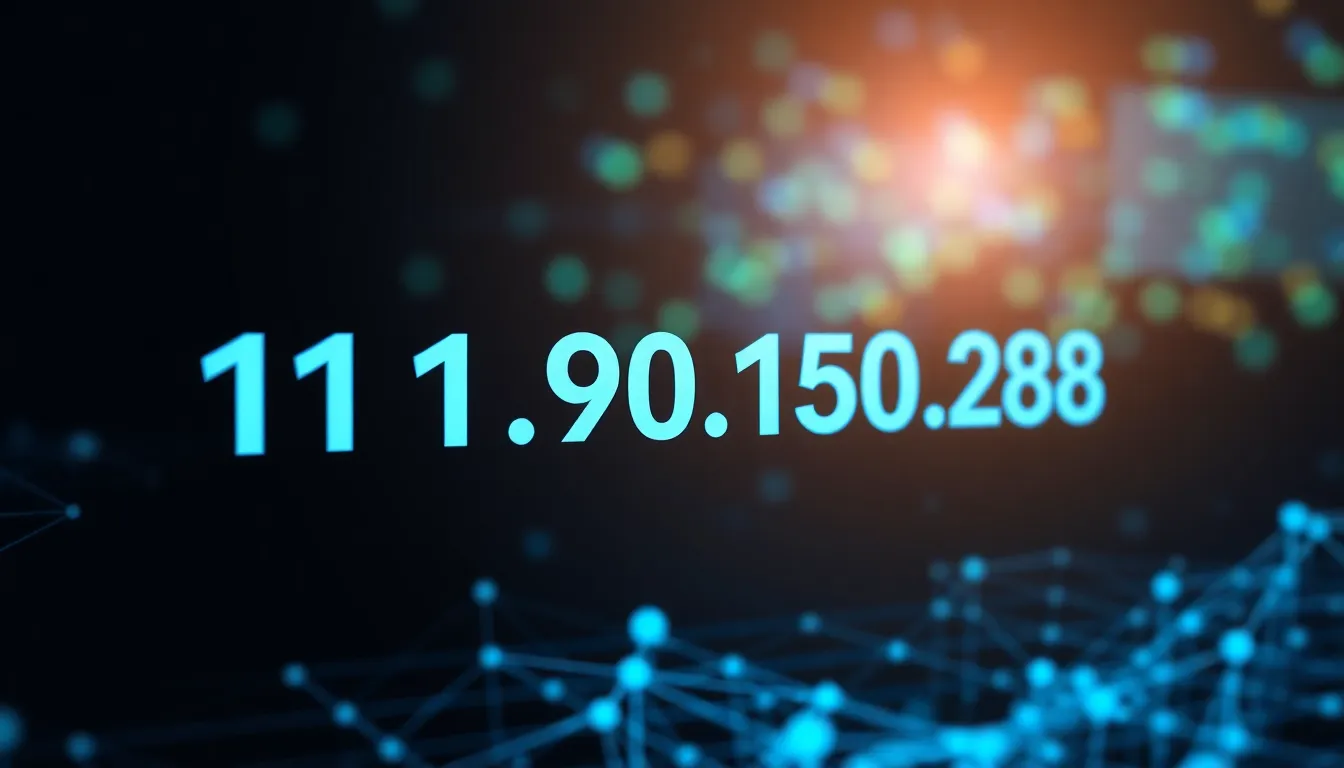
Welcome to the curious world of IP addresses. You might be wondering, what’s so great about 111.90.150.288? Immerse as we explore the ins and outs of this particular IP, decoding its structure and uncovering its significance. Whether you’re a seasoned tech guru or simply looking to understand what your internet connection is up to, there’s something here for everyone, and who knows, you might just impress your friends with your newfound knowledge.
What Is 111.90.150.288?
An IP address, like 111.90.150.288, serves as a unique identifier for devices on the internet. It helps devices communicate across networks, enabling everything from browsing the web to sending emails. Each part of an IP address can tell you a little something about where it’s coming from and how it functions.
Understanding IP Address Structure
IP addresses consist of four sets of numbers separated by periods. Each number can range from 0 to 255, providing a vast pool of possible addresses. When you look at 111.90.150.288, you see that it neatly fits into this format. This structure allows for easy routing across the internet, ensuring packets of data reach their intended destination without getting lost in cyberspace.
Types of IP Addresses
There are primarily two types of IP addresses: IPv4 and IPv6. While 111.90.150.288 belongs to the older IPv4 set, we also have the newer IPv6 addresses to accommodate the ever-growing number of devices online. Each type has its function and importance, but IPv4 is still widely in use today, making it essential for users to understand its role.
Common Misconceptions About IP Addresses
Many believe IP addresses are static and unchanging, but that’s often not the case. In fact, many devices are assigned dynamic IP addresses that can change frequently.
How to Check if 111.90.150.288 Is a Valid IP Address
To check if 111.90.150.288 is valid, you can use online IP validation tools. Simply input the address, and it will confirm whether it adheres to the proper syntax and range. A valid IP address will look neat and tidy, just like this one.
Tools for IP Address Validation
There are several popular tools available for validating IP addresses, including websites like “ipinfo.io” and “whois.net.” These platforms can provide insights into whether an IP address is usable, as well as additional data about its geographical location and associated ISP. Using these resources, you can equip yourself with the necessary knowledge to discern valid IPs.
Potential Uses of 111.90.150.288
Understanding the potential uses of an IP address like 111.90.150.288 can enhance one’s grasp of networking.
Using IP Addresses for Geolocation
One significant use of IP addresses is geolocation. Through geolocation services, you can pinpoint where a device is located based on its associated IP address. This information is vital for businesses looking to tailor their services to specific regions or for users wanting to know where their data is coming from.
IP Address in Networking and Security
In the realm of networking, IP addresses play a crucial role in security. Network security systems often track IP addresses to identify potential threats, allowing administrators to filter out malicious traffic. For example, knowing that 111.90.150.288 is associated with a specific entity can help in monitoring network activity and preventing unauthorized access.
Troubleshooting Issues Related to 111.90.150.288
IP addresses can sometimes lead to confusion or issues. It’s helpful to be aware of common problems related to them.
Common Problems with IP Addresses
Challenges may arise, such as being unable to connect to the internet due to an incorrect IP configuration or conflicts with other devices. Users may encounter errors when an IP address is mistakenly assigned to more than one device. Such overlaps can cause a delightful mess in network communication.
Steps to Resolve IP Address Issues
To address these problems, start by checking the device’s network settings. Restarting your device or resetting your router can often work wonders. If issues persist, using the command prompt to release and renew your IP address can also do the trick. Finally, reaching out to your Internet Service Provider (ISP) can provide guidance for deeper issues.