Table of Contents
ToggleAs technology zips ahead, it’s time to consider how smart home devices can be a game-changer for the elderly. Imagine a home that not only listens but also responds—like a personal assistant that doesn’t need coffee breaks. These gadgets can offer peace of mind for families while giving seniors the independence they crave.
From voice-controlled lights that prevent late-night tumbles to smart medication dispensers that ensure no pill is left behind, these devices are designed to make life easier and safer. It’s like having a superhero sidekick, minus the spandex. So, let’s dive into the best smart home devices that not only keep seniors connected but also add a sprinkle of fun to their daily routines. After all, who says getting older can’t come with a little tech-savvy flair?
Best Smart Home Devices for Elderly
Smart home devices offer a variety of solutions that cater to the needs of elderly individuals, ensuring safety and enhancing daily life.
Voice-Activated Assistants
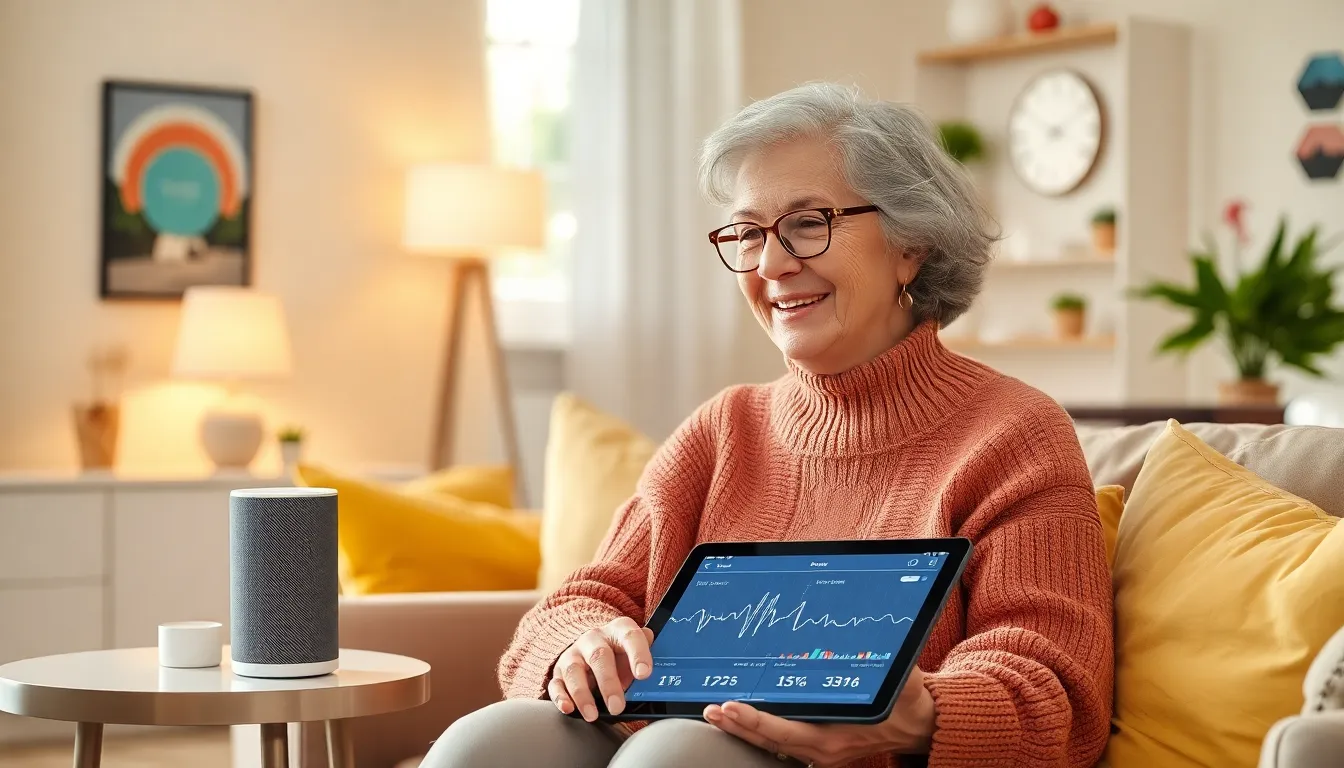
Voice-activated assistants like Amazon Echo and Google Nest provide easy access to information, entertainment, and communication. These devices can control other smart home gadgets through simple voice commands, reducing the need for physical interaction.
Smart Lighting
Smart lighting systems, such as Philips Hue, allow users to adjust lighting through mobile apps or voice commands. Dimming lights at night can minimize the risk of falls, while scheduling lights to turn on and off can create a sense of security.
Smart Medication Dispensers
Automatic medication dispensers, such as Medminder and Philips Medication Dispensing Service, ensure elderly individuals take their medications on time. These devices provide reminders and alerts, helping to manage complex medication schedules more effectively.
Home Security Systems
Smart security cameras like Ring and Arlo enhance home safety. Users can monitor their surroundings in real-time with smartphone apps, ensuring peace of mind, especially when living alone.
Smart Thermostats
Smart thermostats, like the Nest Learning Thermostat, optimize energy use while enhancing comfort. These devices learn user preferences and automatically adjust temperatures, making the home environment more enjoyable.
Wearable Health Monitors
Wearables, such as Fitbit or Apple Watch, track health metrics and encourage physical activity. They help elderly individuals stay aware of their health, alerting them to potential issues proactively.
Smart Doorbell Cameras
Smart doorbell cameras like Ring allow elderly individuals to see and communicate with visitors remotely. Notifications on their smartphones enable them to answer the door without physically getting up, enhancing convenience and safety.
These smart home devices leverage technology to support elderly individuals, expanding their independence while ensuring they remain connected to their families and communities.
Benefits of Smart Home Devices
Smart home devices transform the lives of elderly individuals, enhancing independence and safety while fostering connection with technology.
Enhanced Safety
Smart devices significantly reduce risks associated with aging in place. Voice-controlled security systems alert seniors to unusual activity, ensuring peace of mind. Automatic lighting systems illuminate dark spaces, decreasing fall hazards during nighttime. Smart sensors detect falls, notifying caregivers promptly, which increases response time in emergencies. Additionally, smart doorbell cameras empower seniors to verify visitors before opening doors, further enhancing security. Collectively, these technologies create a safer living environment that prioritizes the health and well-being of elderly individuals.
Improved Convenience
Convenience improves the daily routines of elderly individuals through the use of smart home devices. Voice-activated assistants provide instant access to information, allowing seniors to set reminders for appointments or medication schedules easily. Automatic thermostats regulate home temperatures, ensuring comfort without manual adjustments. Smart appliances simplify tasks such as cooking, enabling one-touch controls for ovens and microwaves. Furthermore, remote monitoring systems allow family members to keep track of their loved ones, alleviating concerns about their well-being. These features contribute to a more seamless and manageable lifestyle for elderly individuals.
Must-Have Devices
Smart home devices significantly enhance the daily lives of elderly individuals by providing safety, convenience, and connectivity.
Smart Speakers
Smart speakers like Amazon Echo and Google Nest serve as versatile assistants. They enable voice-activated commands, allowing seniors to set reminders for medications or appointments. Accessing music, news, and weather updates has never been easier. These devices can connect to other smart home systems, offering seamless control over various gadgets. Family members can also use smart speakers to check in on their loved ones, fostering a sense of connection.
Smart Security Systems
Smart security systems greatly improve home safety. These systems include features like doorbell cameras, motion detectors, and smart locks. Alerts about potential intrusions go straight to mobile devices, ensuring peace of mind. Remote access allows caregivers or family members to monitor the home in real time. Furthermore, motion sensor lights discourage unwanted visitors and enhance visibility during nighttime hours.
Smart Lighting Solutions
Smart lighting solutions play a crucial role in preventing falls. Systems like Philips Hue offer customizable brightness and colors, which help create a comfortable environment. Voice control enables the elderly to adjust lighting without needing to move around the house. Timers and motion sensors automatically turn lights on and off, reducing the risk of accidents. Increased visibility also helps seniors navigate their spaces safely, especially during nighttime hours.
Health Monitoring Devices
Health monitoring devices play a crucial role in supporting the well-being of elderly individuals. These technologies provide valuable insights into health metrics and help manage medications efficiently.
Wearable Health Trackers
Wearable health trackers, such as Fitbit or Apple Watch, monitor vital signs, activity levels, and sleep patterns. These devices provide real-time data on heart rate, steps taken, and calories burned. Alerts can notify users about irregular heart rhythms or inactivity, promoting a more active lifestyle. Seniors can easily share this data with caregivers, enhancing health management. With compatibility for smartphones, wearables allow for easy access to health information. Features like reminders encourage seniors to stay on track with their wellness goals.
Smart Medication Management
Smart medication management devices ensure seniors adhere to their prescribed medications. Automatic dispensers, like MedMinder or Philips Medication Dispensing Service, can organize pills and schedule doses. Visual and audible reminders prompt seniors to take their medications on time. These dispensers also alert caregivers if doses are missed, offering peace of mind. Some systems even integrate with smartphone apps for remote monitoring and updates. Combined with easy-to-use designs, smart medication management supports elderly individuals in maintaining independence while managing their health effectively.
Embracing smart home technology can transform the lives of elderly individuals by enhancing safety and promoting independence. With devices designed for ease of use and accessibility, seniors can enjoy a more connected and secure environment.
From voice-activated assistants to smart medication dispensers and advanced security systems, these innovations offer practical solutions tailored to the unique needs of older adults. By integrating these technologies into daily routines, seniors can maintain their autonomy while staying connected to their families.
Investing in smart home devices isn’t just about convenience; it’s about empowering elderly individuals to live their lives to the fullest.