Table of Contents
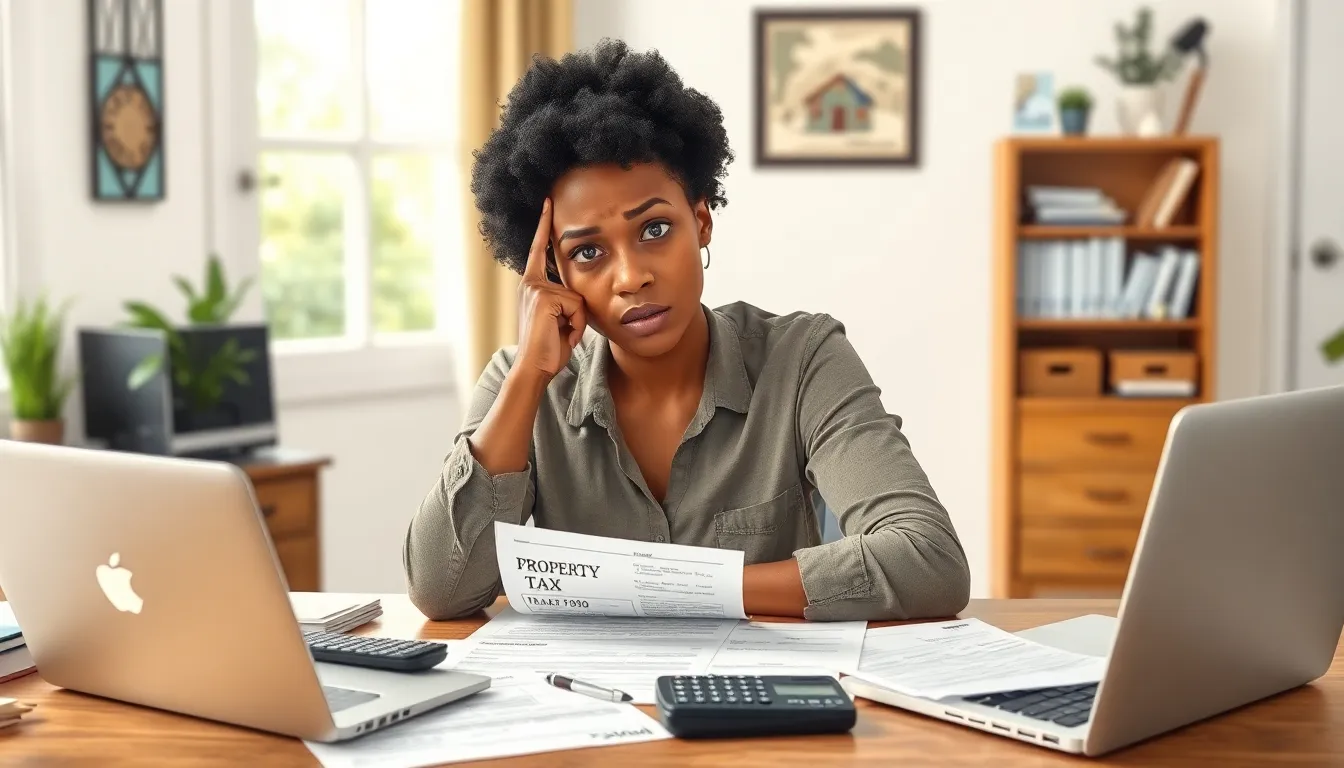
ToggleProperty taxes: the one bill that seems to sneak up on homeowners like an unexpected visit from the in-laws. But what happens if those taxes go unpaid? Can a simple oversight really land someone behind bars? It sounds like the plot of a bad sitcom, but the reality is a bit more serious.
Understanding Property Taxes
Property taxes represent a crucial aspect of local government revenue. These taxes fund essential services, including public education, road maintenance, and emergency services.
Definition of Property Taxes
Property taxes are fees levied on real estate properties by local governments. Tax calculations usually depend on the assessed value of the property and the tax rate set by the jurisdiction. Homeowners, business owners, and landowners all pay property taxes. Property assessments typically reassess every few years, reflecting market values. Residents may receive notice of their owed taxes annually, prompting timely payments.
Importance of Timely Payments
Timely payment of property taxes is vital for several reasons. Local governments rely on these funds to maintain and improve infrastructure. Failure to pay can lead to penalties, including interest and fines, which increase the total owed amount. Additionally, delinquent payments can result in property liens or tax sales, where the property may be sold to recover owed taxes. Property owners may also face difficulties obtaining loans or selling their property if taxes remain unpaid. Staying current on payments helps avoid these negative consequences and supports vital community services.
Legal Consequences of Non-Payment
Non-payment of property taxes can lead to serious legal consequences for homeowners, business owners, and landowners. Understanding these consequences is crucial to avoid further issues.
Civil Penalties
Failure to pay property taxes typically incurs civil penalties. Late fees usually accrue, increasing the total amount owed. Local governments may place liens on the property, granting authorities the right to claim the property if taxes remain unpaid. Interest rates on overdue taxes can reach up to 18 percent annually in some states. Tax sales often occur after a set period of delinquency, where properties are auctioned to recover unpaid taxes. These civil actions can severely affect one’s credit score and complicate future financial transactions.
Criminal Charges
In certain cases, delinquency can escalate to criminal charges. Willful neglect to pay property taxes may be viewed as fraud, particularly if intent to defraud the government exists. States often impose fines for such fraudulent actions, adding even more financial strain. Jail time is a possibility for severe cases, though this varies by jurisdiction. Legal penalties can have lasting effects on future property ownership and financial stability.
State-Specific Laws
Understanding the laws surrounding property tax non-payment varies significantly across states. Each state enforces its own regulations and penalties, influencing the severity of consequences for neglecting property tax obligations.
Overview of Different States
In California, unpaid property taxes lead to penalties and potential tax lien sales. In contrast, Texas allows a tax certificate sale, which does not create criminal charges for unpaid taxes. Florida’s approach involves a tax deed sale, while New York imposes tax liens that can result in foreclosure. A few states, such as Illinois, consider willful neglect as a criminal offense, which may lead to jail time in severe cases. Specific state laws dictate different enforcement mechanisms, emphasizing the need for awareness of local regulations.
Common Practices
Most states prioritize tax collection through civil penalties and interest accrual on unpaid property taxes. Late fees commonly stack on overdue payments, complicating financial obligations. Tax lien sales frequently occur, allowing local governments to auction properties to recoup owed amounts. Public notices for delinquent taxes usually accompany tax lien sales, giving property owners a chance to rectify their tax issues. Criminal charges emerge from willful neglect in several jurisdictions, where authorities view intentional non-payment as fraud. Understanding these practices aids residents in their financial planning concerning property taxes.
Alternatives to Jail Time
Property tax non-payment doesn’t always result in jail time. Various alternatives exist to address the situation effectively.
Payment Plans
Many local governments offer payment plans for property taxes. These plans allow homeowners to pay overdue amounts in installments rather than in one lump sum. By enrolling in a payment plan, individuals can avoid immediate penalties and reduce financial stress. Some jurisdictions even provide extended timelines for repayment, which can ease the burden. Contacting the local tax office can help determine available options and eligibility.
Tax Liens and Foreclosure
Tax liens often serve as the primary consequence of unpaid property taxes. When taxes remain unpaid, local governments can place a lien on the property, securing their claim to the owed amount. In some states, failure to resolve these liens can lead to foreclosure. Homeowners facing this situation should understand their rights and potential options, such as redeeming the property or negotiating terms. Seeking advice from a real estate attorney or tax professional can provide valuable insights into steps to take.
Neglecting property taxes can lead to serious consequences that extend beyond mere financial penalties. While imprisonment isn’t the most common outcome for unpaid taxes, willful neglect can result in criminal charges in certain states. Understanding local laws is crucial for property owners to avoid severe repercussions.
Timely payment of property taxes not only protects individual financial stability but also supports essential community services. For those struggling to meet their obligations, exploring payment plans and seeking professional advice can prevent complications like tax liens or foreclosure. Staying informed and proactive is key to navigating the complexities of property tax responsibilities.