Table of Contents
ToggleAs the world zips into the future, seniors are discovering that smart home devices aren’t just for tech-savvy millennials. Imagine a home where the lights dim with a simple voice command or where the coffee brews itself—no more wrestling with those pesky coffee makers! These gadgets not only add a sprinkle of convenience but also boost safety and independence for older adults.
Smart home technology is like having a personal assistant who never takes a coffee break. From smart doorbells that show who’s at the door to health monitoring devices that keep an eye on well-being, these innovations are designed to make life easier. So why not embrace the future and turn that cozy nest into a smart haven? It’s time for seniors to enjoy the perks of technology without the fuss.
Overview of Smart Home Devices for Seniors
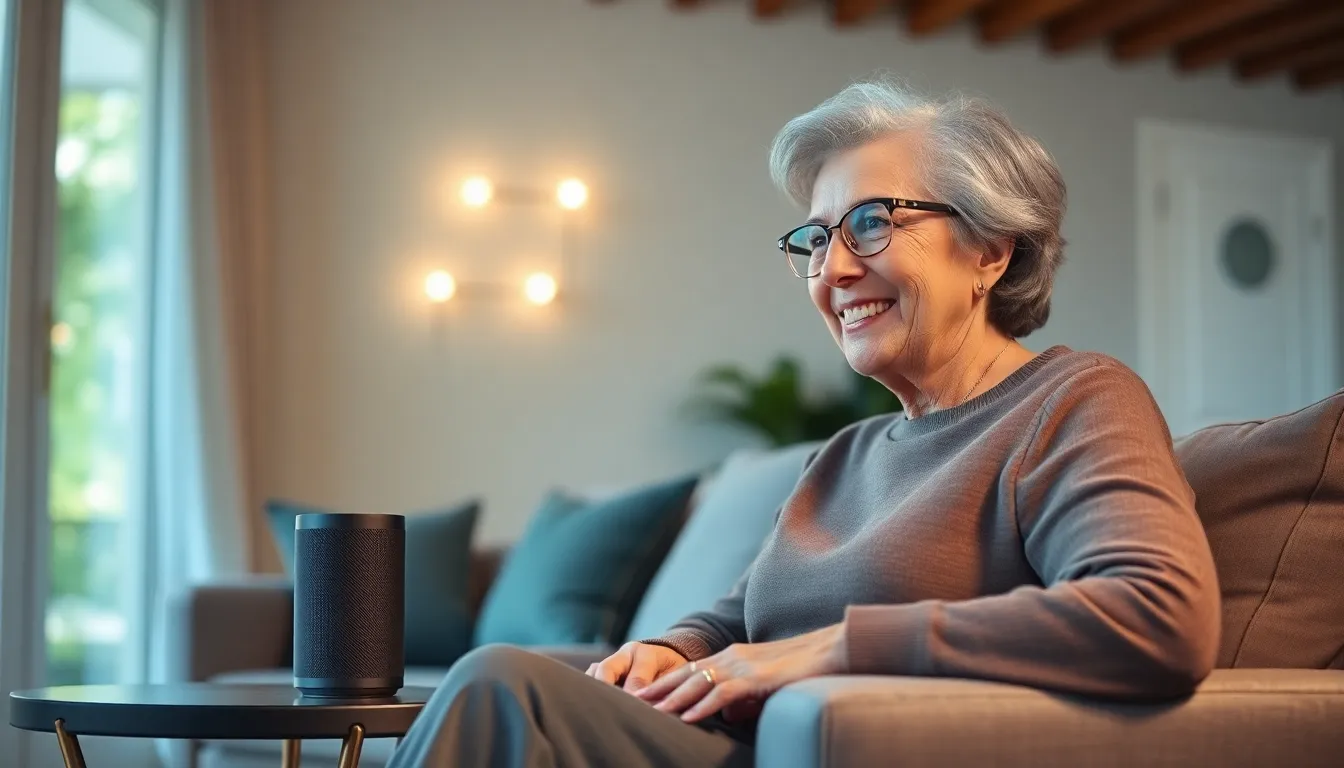
Smart home devices cater specifically to the needs of seniors, enhancing their living experience through technology. Voice-activated assistants like Amazon Echo and Google Nest help older adults manage daily tasks effortlessly. These devices allow users to control their environment hands-free, providing essential support for those with mobility challenges.
Smart lighting systems offer adjustable brightness and scheduling options. Seniors can set lights to turn on before they enter a room, reducing the risk of falls. Smart thermostats like Nest and Ecobee optimize home heating and cooling, promoting comfort and energy efficiency without manual adjustments.
Additionally, security cameras and smart doorbells enhance safety. Seniors can monitor their home from a smartphone, increasing peace of mind. Automated medication dispensers simplify medication management, ensuring seniors take their prescriptions on time.
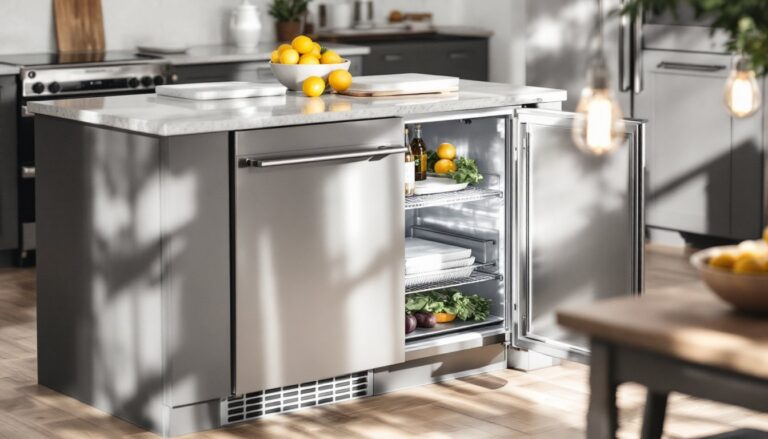
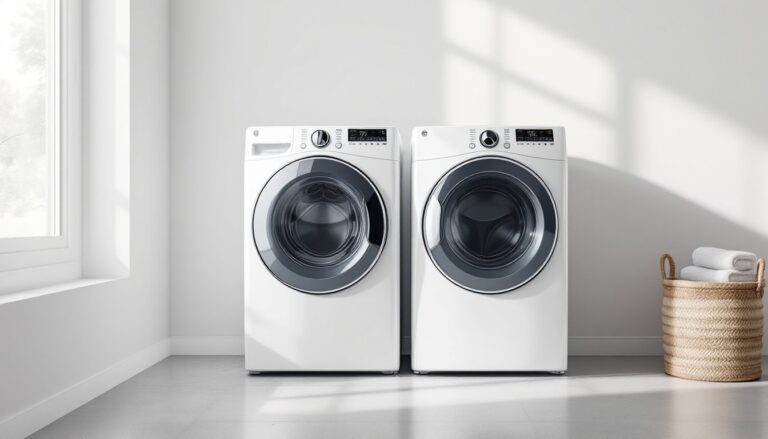
Smart home technology also includes fall detection systems. These devices alert caregivers or family members if a fall occurs, enabling rapid response. Smart appliances, such as self-cleaning ovens and refrigerator monitors, further ease daily chores, allowing seniors to maintain independence without excessive physical effort.
Connected health devices, like smart watches, track fitness and health data. Wearables can monitor heart rates and activity levels, promoting healthier lifestyles for seniors. Integration of these devices into daily routines helps maintain physical well-being and offers insights into health trends.
Overall, smart home devices for seniors deliver convenience, safety, and independence. These technologies create supportive environments tailored to individual needs, fostering a greater quality of life for older adults.
Benefits of Smart Home Devices
Smart home devices significantly enhance the lives of seniors by addressing essential needs for safety, comfort, and convenience.
Increased Safety and Security
Enhancing security features, smart home devices protect seniors while they age in place. Smart doorbells, equipped with cameras, allow homeowners to see who approaches the door without needing to answer it. Security cameras provide the ability to monitor property remotely, offering peace of mind to both seniors and their families. Motion sensors activate lights automatically, reducing fall risks and ensuring visibility during nighttime hours. Emergency response systems notify caregivers instantly in case of falls or emergencies. Furthermore, smart locks enable secure keyless entry, preventing unauthorized access and increasing independence. By utilizing these technologies, seniors enjoy a heightened sense of safety and security within their homes.
Improved Convenience and Comfort
Smart home devices offer seniors unparalleled convenience in their daily routines. Voice-activated assistants simplify task management, allowing users to set reminders or control devices hands-free. Automated lighting systems adjust brightness according to time or activity, improving comfort without manual effort. Smart thermostats maintain ideal temperatures throughout the home, enhancing comfort levels while conserving energy. Additionally, automated medication dispensers ensure timely doses, reducing the chances of missed medications. Task-focused smart appliances, such as ovens and coffee makers, streamline everyday chores. By incorporating these devices, seniors experience a remarkable enhancement in their daily comfort and convenience.
Popular Smart Home Devices for Seniors
Smart home devices significantly enhance the quality of life for seniors by providing comfort, safety, and convenience. These technologies cater specifically to the needs of older adults, making everyday tasks easier and reducing risks.
Smart Speakers and Voice Assistants
Voice assistants such as Amazon Echo and Google Nest simplify daily tasks. Seniors can set reminders, play music, or control other smart devices using only their voice. Accessibility features support users with mobility issues, allowing hands-free operation. Many devices integrate with smart home systems, enabling control over lighting and temperature. Accessibility increases independence, fostering a more enjoyable environment.
Smart Lighting Solutions
Smart lighting systems provide automated control of lights throughout the home. Motion sensors activate lights, reducing the risk of falls in dimly lit areas. Seniors can adjust brightness or colors through voice commands or mobile apps, matching their mood or activities. Scheduling options allow lights to turn on and off automatically, enhancing security while giving the appearance that someone is home. This feature reduces the effort required to navigate spaces comfortably.
Smart Security Systems
Smart security systems increase safety and peace of mind. Devices like smart doorbells with cameras allow seniors to see who’s at the door without getting up. Real-time alerts ensure they remain informed, while security cameras enable remote monitoring. Motion detectors can alert caregivers about unusual activity or emergencies in the home. Integrating these systems creates a comprehensive safety net, enhancing confidence for both seniors and their families.
Considerations When Choosing Devices
Selecting the right smart home devices requires careful consideration to ensure they meet seniors’ unique needs. Attention to specific features can greatly enhance the overall experience.
Ease of Use and Accessibility
Devices should prioritize user-friendly interfaces that seniors can navigate without frustration. Voice commands often offer convenient options for those with mobility issues. Large, clear buttons and screens enhance visibility and usability, making operation straightforward. Compatibility with hearing aids or other assistive technologies improves functionality for hearing-impaired seniors. Simplified setup processes that involve minimal steps contribute to accessibility. Additionally, customer support services provide vital assistance, ensuring seniors receive help when needed.
Integration with Existing Technology
Compatibility with current devices plays a crucial role in device selection. Many smart home devices can seamlessly connect with smartphones, tablets, or existing smart systems. This connectivity allows for centralized control, simplifying daily management. For instance, devices that work with popular platforms like Alexa or Google Assistant enhance convenience through voice control. Keeping up with security updates ensures ongoing protection from cyber threats, making integration more secure. Upgrading existing systems can improve efficiency, allowing for better automation throughout the home.
Smart home devices offer transformative benefits for seniors by enhancing their safety and independence. With user-friendly technology tailored to their needs, older adults can enjoy greater convenience in daily tasks. These devices not only simplify routines but also provide peace of mind for families, knowing their loved ones are safer at home.
As the landscape of smart technology continues to evolve, seniors have more options than ever to create a supportive living environment. By carefully selecting devices that prioritize ease of use and accessibility, they can significantly improve their quality of life. Embracing these innovations is a step toward a more comfortable and secure future for older adults.