Table of Contents
ToggleIn a world where energy demands are skyrocketing and the planet’s patience is wearing thin, smart renewable energy systems are stepping up like the superheroes we never knew we needed. These innovative solutions aren’t just about saving the environment; they’re about making energy use as easy as pie—without the calories. Imagine harnessing the sun’s rays and the wind’s whispers to power your home while sipping your morning coffee.
Smart renewable energy systems combine cutting-edge technology with sustainable practices, creating a harmonious balance between efficiency and eco-friendliness. They’re not just a trend; they’re the future, making energy smarter, cleaner, and a whole lot more fun. So, buckle up and get ready to explore how these systems are transforming our energy landscape, one solar panel at a time.
Overview Of Smart Renewable Energy Systems
Smart renewable energy systems combine advanced technology with sustainable energy practices. These systems enhance efficiency through integration and automation. For example, solar panels paired with smart meters allow real-time monitoring of energy use, leading to smarter consumption patterns.
Wind turbines, equipped with IoT devices, optimize performance by adjusting to weather conditions. These innovations reduce operational costs and maximize energy output. Energy storage solutions, such as batteries, play a crucial role in managing supply and demand by storing excess power for later use.
Smart grids represent another vital component of these systems. They facilitate communication between energy producers and consumers. By balancing loads and integrating diverse renewable sources, smart grids improve reliability.
Additionally, predictive analytics helps in forecasting energy generation and consumption patterns. This capability supports proactive decision-making and further enhances energy efficiency. As a result, households and businesses gain the ability to consume energy when it’s most cost-effective.
Governments and organizations are increasingly investing in smart renewable energy systems. Incentives and subsidies encourage advancements in technology and research. Adoption of these systems shows promise in reducing carbon emissions, thus addressing climate change challenges.
Overall, the progressive evolution of smart renewable energy systems positions them as pivotal in shaping a sustainable energy landscape. Their integration brings forth not only environmental benefits but also economic advantages across various sectors.
Key Technologies In Smart Renewable Energy Systems
Smart renewable energy systems rely on various technologies to maximize efficiency and sustainability. These systems incorporate cutting-edge advancements in solar and wind energy, among others, enhancing overall performance.
Solar Energy Solutions
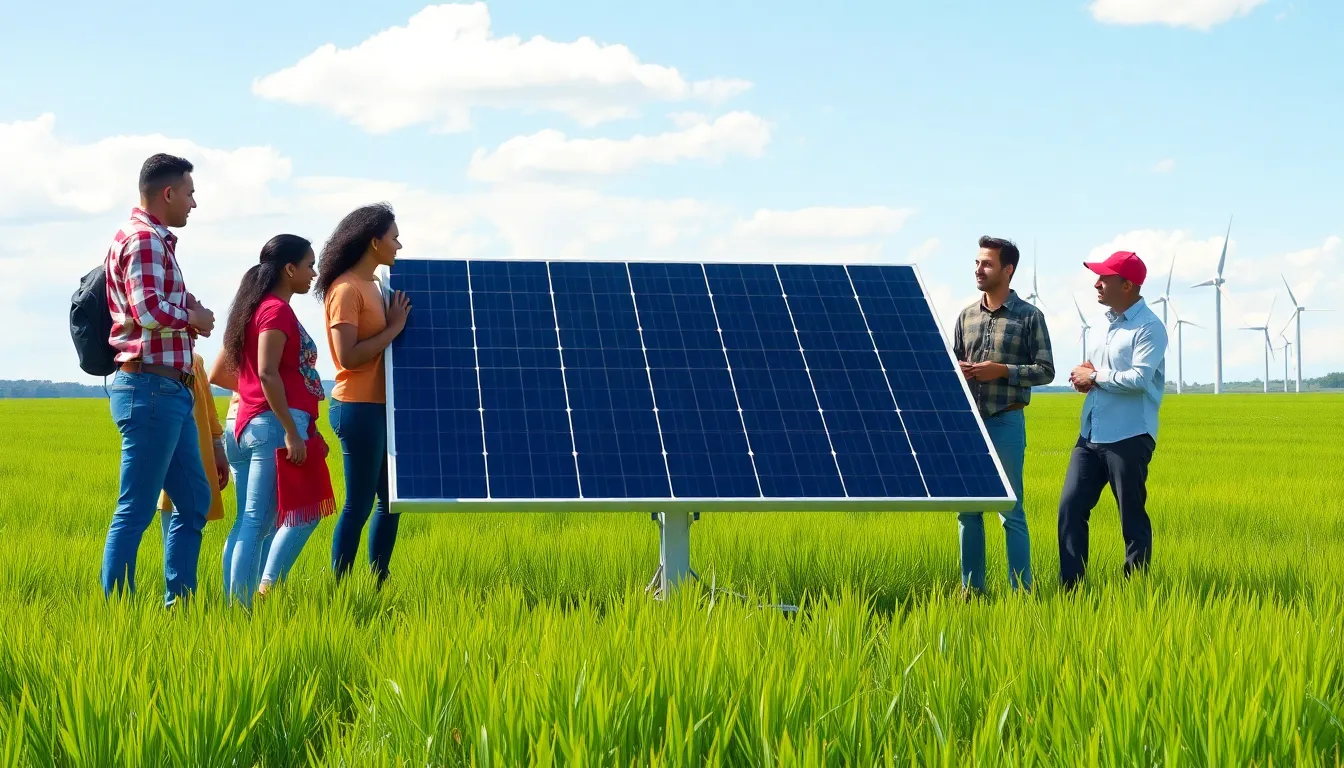
Solar energy solutions include photovoltaic panels that convert sunlight into electricity. These panels can be paired with smart inverters to optimize energy conversion and monitor system performance. Integrating solar batteries allows users to store surplus energy generated during peak sunlight hours. Innovative solar tracking systems adjust panel angles to follow the sun, increasing energy capture throughout the day. Advanced energy management systems enable real-time monitoring, allowing users to optimize energy consumption based on demand and usage patterns.
Wind Energy Innovations
Wind energy innovations focus on enhancing turbine efficiency and energy capture. Modern wind turbines utilize advanced blade designs, allowing for improved aerodynamic performance. Some designs feature larger rotor diameters, increasing energy generation capabilities, especially in low-wind conditions. Incorporating IoT technology into wind turbines facilitates remote monitoring and predictive maintenance, reducing downtime and operational costs. Data analytics plays an essential role in optimizing performance, analyzing wind patterns to enhance energy forecasting and management. These innovations support the growth of wind energy in the smart renewable landscape.
Benefits Of Smart Renewable Energy Systems
Smart renewable energy systems offer numerous advantages, primarily aimed at promoting a sustainable future. They combine technology and environmentally friendly practices to create a better energy landscape.
Environmental Impact
Smart renewable energy systems significantly reduce greenhouse gas emissions. By utilizing solar and wind power, these systems lower dependency on fossil fuels. Energy efficiency improvements cut waste, contributing to less environmental degradation. Real-time monitoring facilitates optimal energy use, enhancing overall energy conservation. Furthermore, integrating energy storage solutions minimizes the carbon footprint by balancing supply and demand.
Economic Advantages
Economic benefits accompany the transition to smart renewable energy systems. Investments in these technologies create job opportunities in sectors like manufacturing, installation, and maintenance. Cost savings emerge as efficiency gains lead to reduced energy bills for consumers and businesses. Governments see an economic boost from decreased health care costs related to pollution. Additionally, smart grids enhance energy resilience, leading to sustainable long-term savings for the economy.
Challenges Facing Smart Renewable Energy Systems
Smart renewable energy systems encounter several challenges that impact their widespread adoption and effectiveness. Addressing these hurdles can significantly enhance their potential.
Technological Barriers
Technological barriers hinder the advancement of smart renewable energy systems. Limited interoperability between devices often complicates integration. Legacy infrastructure may not support new technologies, creating compatibility issues. Additionally, the high costs of advanced technology can deter investment from smaller organizations. Cybersecurity threats pose significant risks, making the protection of digital systems crucial. These challenges necessitate ongoing research and development to foster innovation.
Policy Implications
Policy implications play a significant role in the evolution of smart renewable energy systems. Inconsistent regulations across regions create uncertainty for stakeholders. Incentives, while beneficial, vary greatly, influencing investment decisions. Environmental policies can affect project timelines, impacting long-term planning. Furthermore, collaboration between government agencies and private sectors remains essential for effective planning and deployment. Clear and supportive policies can drive greater adoption and innovation in this sector.
Future Trends In Smart Renewable Energy Systems
In the coming years, smart renewable energy systems are likely to see significant advancements in technology. Enhanced energy storage solutions will focus on improving battery lifespan and efficiency, further supporting renewable sources. The use of artificial intelligence in optimizing energy distribution is expected to gain traction, enabling more responsive smart grids.
Integration of blockchain technology may revolutionize energy transactions, introducing decentralized energy markets that empower consumers. Companies are investing in systems that allow peer-to-peer energy trading, facilitating direct energy exchanges between users.
Moreover, the role of electric vehicles (EVs) in smart renewable energy systems will expand. Charging infrastructure will integrate with solar and wind energy sources, allowing EVs to act as mobile energy storage units. This approach enhances grid resilience and promotes renewable energy usage during peak hours.
Microgrid developments will also play a pivotal role in localized energy solutions. These systems foster community independence from centralized grids, making them more adaptable to specific regional needs. Enhanced communication between households and energy producers will create smarter consumption patterns, lowering overall demand during peak times.
Emerging trends include the expansion of demand response strategies that adjust energy consumption based on availability. This tactic maximizes the usage of renewable sources while minimizing strain on the grid.
Investment in smart renewable energy systems is expected to rise as governments continue to support sustainability initiatives. Public-private partnerships will likely enhance research and development, creating a collaborative environment that accelerates innovation. As technology progresses, smart renewable energy systems will evolve, shaping sustainable energy practices worldwide.
Smart renewable energy systems represent a transformative approach to meeting energy demands while addressing environmental concerns. Their integration of advanced technologies and sustainable practices is paving the way for a more efficient and resilient energy landscape. As investments in these systems continue to grow, they promise not only to reduce carbon emissions but also to create economic opportunities and enhance energy security.
The challenges ahead require ongoing innovation and collaboration among stakeholders. By overcoming technological and policy barriers, the potential for smart renewable energy systems to revolutionize energy consumption and production is immense. Embracing these advancements will be crucial for a sustainable future, ensuring that energy remains accessible, affordable, and environmentally friendly for generations to come.