In a world where homes are getting smarter by the minute, securing those devices is more crucial than ever. Just imagine your toaster chatting with your fridge while a hacker eavesdrops from the shadows. Not exactly the cozy home vibe you’re going for, right? With the rise of smart gadgets, it’s time to turn your home into a fortress—without the moat and drawbridge, of course.
From smart speakers to connected cameras, each device adds convenience but also opens a door to potential threats. Fortunately, locking down your digital domain doesn’t have to be rocket science. With a few simple tweaks, you can keep your gadgets safe and sound, ensuring they serve you and not the other way around. So grab a cup of coffee, sit back, and let’s dive into the world of smart home security that’ll leave those pesky hackers scratching their heads.
Understanding Smart Home Devices
Smart home devices integrate technology into daily living, enhancing comfort and convenience. These gadgets, ranging from cameras to thermostats, connect to a network, enabling users to control them remotely.
Types of Smart Home Devices
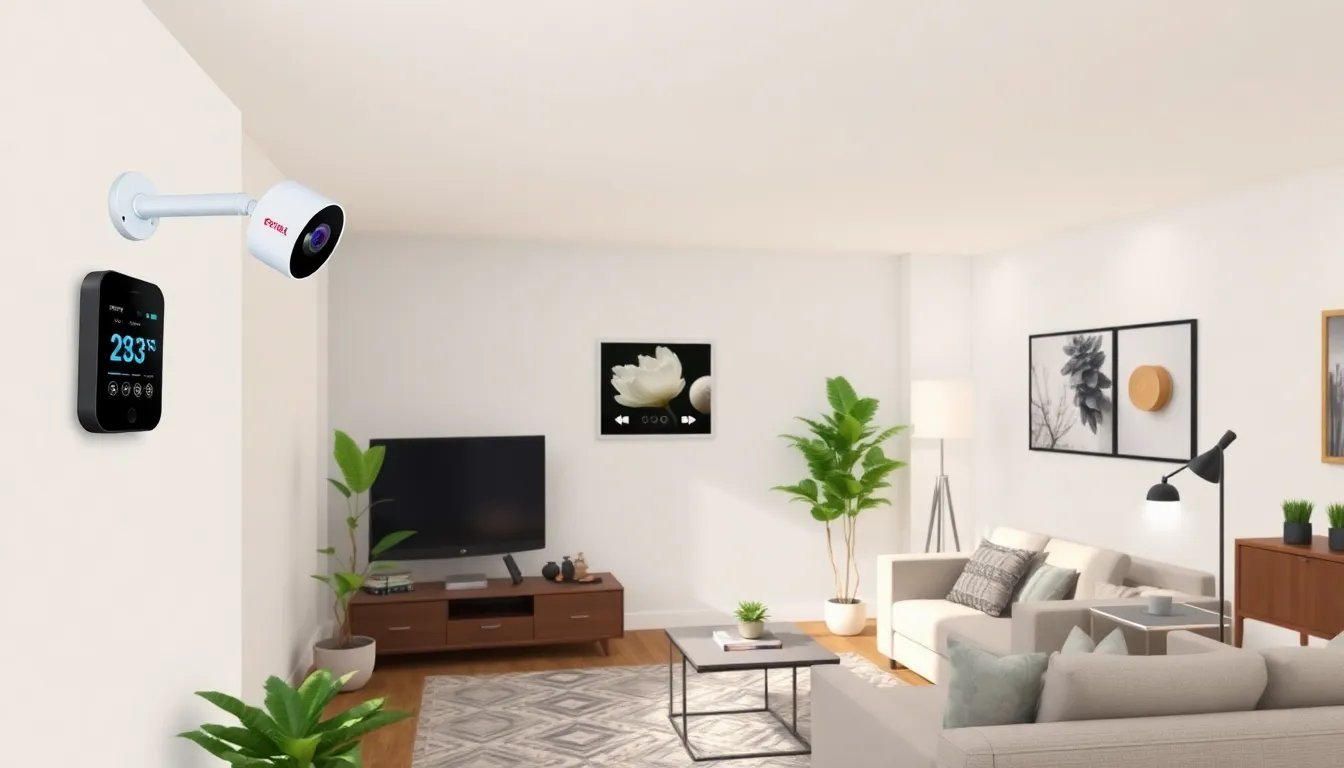
Smart home devices include various categories. Security cameras provide surveillance, while smart locks offer keyless entry. Thermostats allow temperature management, and lights can be adjusted via mobile apps. Voice assistants facilitate interaction with other devices. Each device plays a unique role in creating a cohesive smart home ecosystem.
Common Vulnerabilities
Common vulnerabilities present risks to smart home security. Default passwords frequently remain unchanged, making devices easy targets. Insecure Wi-Fi networks expose devices to unauthorized access. Outdated firmware often lacks essential patches to combat emerging threats. Unencrypted communications can allow hackers to intercept sensitive information. Addressing these weaknesses strengthens the overall security posture of smart home systems.
Best Practices for Securing Smart Home Devices

Securing smart home devices requires vigilance and proactive measures. Following best practices ensures optimal protection against potential threats.
Change Default Passwords
Default passwords often create a security weakness in smart home devices. Unique, strong passwords help mitigate unauthorized access. Incorporate a mix of upper and lower case letters, numbers, and special characters for heightened security. Change passwords immediately upon installation and regularly thereafter to prevent vulnerabilities. Avoid easily guessable information, such as birthdays or common words. Emphasizing strong passwords significantly enhances device security.
Regular Software Updates
Updating device software consistently maintains security and functionality. Manufacturers regularly release updates to address vulnerabilities and improve performance. Enabling automatic updates simplifies the process and guarantees the latest security features are in place. Check for manual updates if automatic options are unavailable, ensuring devices operate using the most secure version. Regular attention to software updates strengthens the overall integrity of smart home systems.
Network Security Measures
Securing a smart home network requires proactive steps. Focus on establishing robust security measures that protect interconnected devices from potential threats.
Use Strong Wi-Fi Protection
Utilizing strong Wi-Fi security significantly reduces risks. Implement WPA3 encryption for optimal protection of your network. Changing the default SSID to something unique can make it harder for hackers to identify your network. Setting a complex password with a mix of letters, numbers, and special characters strengthens protection. Regularly updating the password further enhances security. Disabling WPS can prevent unauthorized access, offering an additional layer of defense. Monitoring connected devices periodically helps identify any suspicious activity.
Create a Guest Network
Creating a guest network further secures smart home systems. Separate your primary network from the guest network to limit access to smart devices. Configure the guest network with a unique password, ensuring it’s distinct from the main network. This helps prevent guests from unintentionally accessing critical devices. Enforcing device limits on the guest network can reduce vulnerability. Disable shared access features for added protection against unauthorized connections. Regularly reviewing and updating guest network credentials maintains security.
Monitoring and Maintenance
Monitoring and maintaining smart home devices is essential for ongoing security. Regular assessments help identify potential vulnerabilities.
Regular Device Audits
Conducting regular device audits improves security. He or she can review connected devices and their settings, ensuring that only necessary gadgets remain online. Identifying outdated devices and removing those that pose risks is vital. Tracking device usage patterns allows for quicker detection of unauthorized access. Assessing device permissions also clarifies which users have access, contributing to a safer environment.
Utilizing Security Alerts
Setting up security alerts enhances monitoring efforts. He or she should enable notifications for unusual activities, such as unknown logins or unusual data usage. Receiving alerts can help address potential threats before they escalate. Configuring alerts for firmware updates ensures devices operate with the latest security features. Utilizing smart home ecosystems may provide a centralized platform for all alerts, streamlining the monitoring process. Staying vigilant through alerts fosters a proactive approach to smart home security.
Securing smart home devices is essential for maintaining a safe and comfortable living environment. By implementing straightforward strategies like changing default passwords and ensuring regular updates, homeowners can significantly reduce their risk of unauthorized access.
Taking proactive measures such as enhancing Wi-Fi security and conducting routine audits of connected devices further strengthens protection. With a little effort and attention, anyone can create a secure smart home ecosystem that enhances convenience without compromising safety. Embracing these practices not only safeguards devices but also fosters peace of mind in an increasingly connected world.